ENGINE ISSUES HEAVILY AFFECT FIRST F1 PRACTICE SESSION OF THE YEAR
The first practice session of the 2026 Formula 1 season in Melbourne was quickly disrupted by several engine and technical problems across different teams.
This year Formula 1 has introduced new power unit regulations. The engines now use a 50/50 balance between the combustion engine and electric power, increasing the role of electrical energy compared to previous seasons. With teams still learning how to manage these new systems, reliability is expected to be a challenge during the early races.
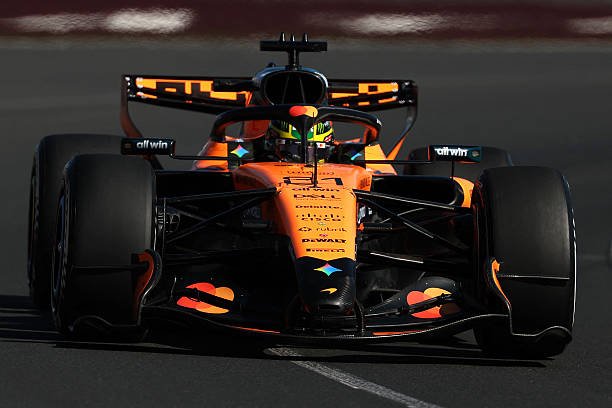
In the opening minutes of FP1, Oscar Piastri reported a loss of power in his car. For a moment it looked like his session could end early, but after he stopped in the garage for 10 minutes, the engine came back to life and he was able to continue running.
Soon after, Arvid Lindblad stopped his car at the exit of the pit lane, causing another small interruption early in the session, he lost the first 20 minutes of the session and got back to the track, finishing fifth in the session.
Fernando Alonso also faced serious engine trouble and the issue was significant enough that he did not go to the track at all, something expected from Aston Martin, seen the rumours in the past few weeks.
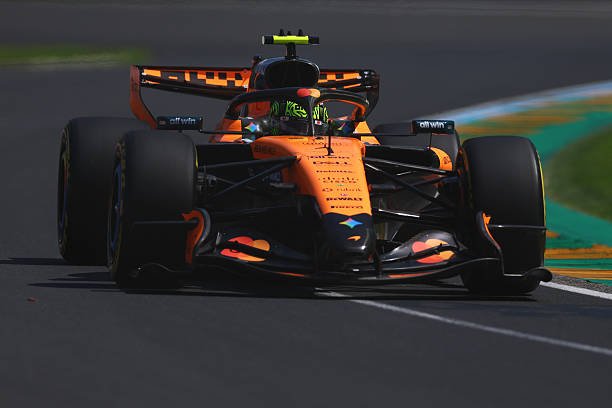
McLaren then experienced more problems when Lando Norris reported gearbox issues. He briefly returned to the track after the team worked on it, but later got out of the car and removed his helmet with about 30 minutes remaining, confirming he would not continue in FP1.
The current world champions will do precautionary checks in his gearbox to prevent any more problems in the FP2.
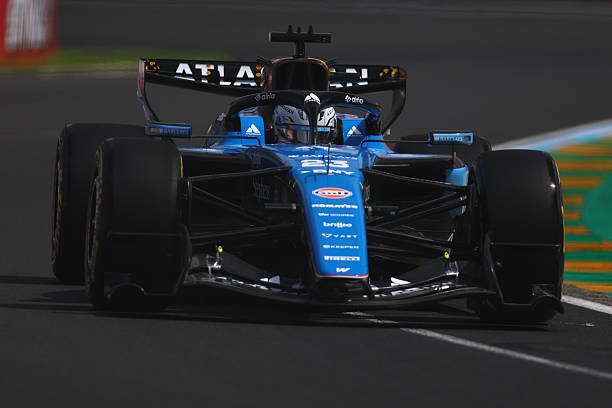
In the final part of the session, Alexander Albon lost power steering at the exit of Turn 10, which forced him to stop his run. Lance Stroll also had a difficult session, retiring after only three laps due to engine problems. As a result, Aston Martin completed almost no meaningful mileage during the session.
With multiple cars suffering mechanical problems, the first practice session in Melbourne proved to be a challenging start to the 2026 Formula 1 season, as teams begin adapting to the sport’s new power unit era.

Share this content: