INDYCAR TO MAKE CHANGES IN TYRE RULES FOR 2026
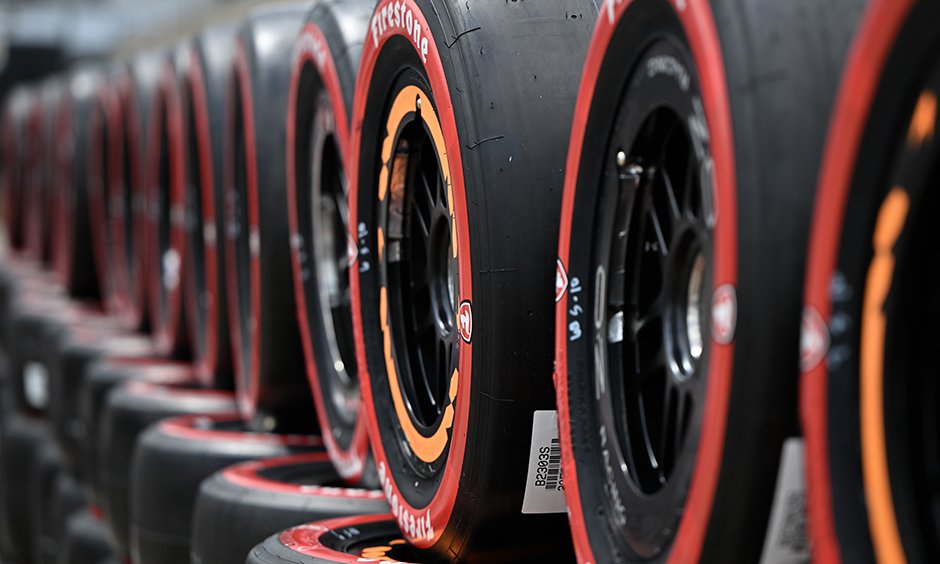
IndyCar is making a clear change to how street races will work in 2026. At the six street circuits on the calendar, every driver will have to use Firestone’s faster alternate tire compound two times during the race. This rule turns what was tested before into a permanent part of the championship.
The alternate tire, often called the “soft,” is easy to spot on street circuits because of its green sidewalls. The primary tire, which is more durable but slightly slower, will still have to be used at least once during each race.
In recent seasons, teams tried to get rid of the soft tires as quickly as possible due to its very short duration. The rules only required a minimum of two laps on each compound. At Long Beach last year, most of the field started on the soft tire and pitted just a few laps later to switch to the harder primary. From that point on, many drivers stayed on the more durable tire for the rest of the race. The soft tire was treated like an obligation, not an opportunity.
With the new rule, that approach will not be enough. Drivers will have to complete two separate stints on the soft tires. That means they must either pit twice very early to remove them, which would hurt track position, or learn to manage the soft compound better and keep it alive for longer runs. On tight street circuits, where tire wear is already high, this will not be easy.
There will be no increase in the total number of tire sets available during the weekend. Teams will still receive five sets of primary tires and five sets of alternates. Because of this, how teams use their soft tires in practice and qualifying will become even more important. In the past, some teams used extra new soft tires in qualifying to fight for pole position, knowing they would only need them briefly in the race. Now that two race stints are required, using too many fresh soft tires before Sunday could become a costly mistake.
This rule will apply at the six street races as said before: St. Petersburg, Arlington, Long Beach, Detroit, Markham, and Washington, D.C. On permanent road courses, only one soft-tire stint is still required, while on ovals, usually only one tire type is available, unless a special rule says otherwise.
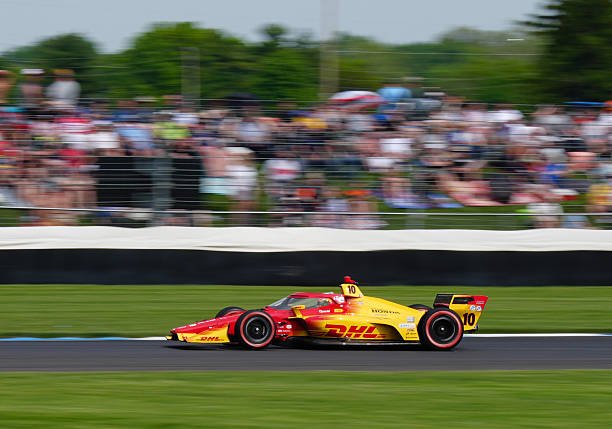
A similar idea was tested at the Sonsio Grand Prix in 2025, where drivers had to use multiple sets of both tire compounds. That experiment did not dramatically change the outcome of the race, but officials believe street circuits could produce a different result. Street tracks are narrow, rough, and difficult for passing, so strategy can have a bigger impact.
The goal of the change is to add uncertainty. Tire wear, pit timing, and careful driving could now decide races more often. Some drivers may gain positions by managing their soft tires better than others. Others may lose out if they push too hard and destroy their grip too quickly.
In simple terms, IndyCar wants the soft tire to matter. Instead of being a short chore at the start of the race, it will now be a real strategic factor. How well teams adapt to this new rule could shape the outcome of the 2026 street races and possibly the championship itself.

Share this content: