FIA AND ACO FUTURE PUTS LE MANS AND WEC IN THE SPOTLIGHT
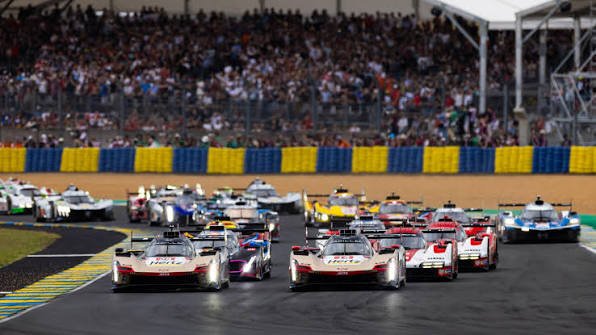
The future of the World Endurance Championship has come under attention after reports suggested that the FIA and the Automobile Club de l’Ouest (ACO) were struggling to agree on a new long-term deal. However, the two organisations have now clarified that their current agreement remains in place until the end of 2027, meaning the WEC and the 24 Hours of Le Mans will continue as planned for next season.
The original report from Auto Motor und Sport claimed that negotiations between the FIA and ACO had become difficult, with FIA President Mohammed Ben Sulayem reportedly looking for greater financial returns and more influence over the running of championships. The report also suggested that the FIA could consider opening a tender for a different WEC promoter if an agreement with the ACO could not be reached.
The FIA has since rejected the idea that the WEC has no agreement for 2027. The governing body confirmed that its existing promoter agreement with the ACO runs until the end of 2027, while discussions are already taking place about an extension beyond that date. The ACO also confirmed that both organisations remain committed to their cooperation and described the discussions as constructive.
The situation is important because the ACO has a unique position in endurance racing. The organisation owns and runs the 24 Hours of Le Mans, while its subsidiary Le Mans Endurance Management promotes the WEC. The FIA sanctions the championship and awards its world championship titles. This structure has been in place since the WEC was created in 2012.
This means that a possible separation in the future would raise major questions about the relationship between Le Mans and the WEC. The 24 Hours of Le Mans is currently one of the championship’s rounds and its most important event. The 2027 WEC calendar, already approved by the FIA World Motor Sport Council, includes Le Mans as part of a nine-round season.
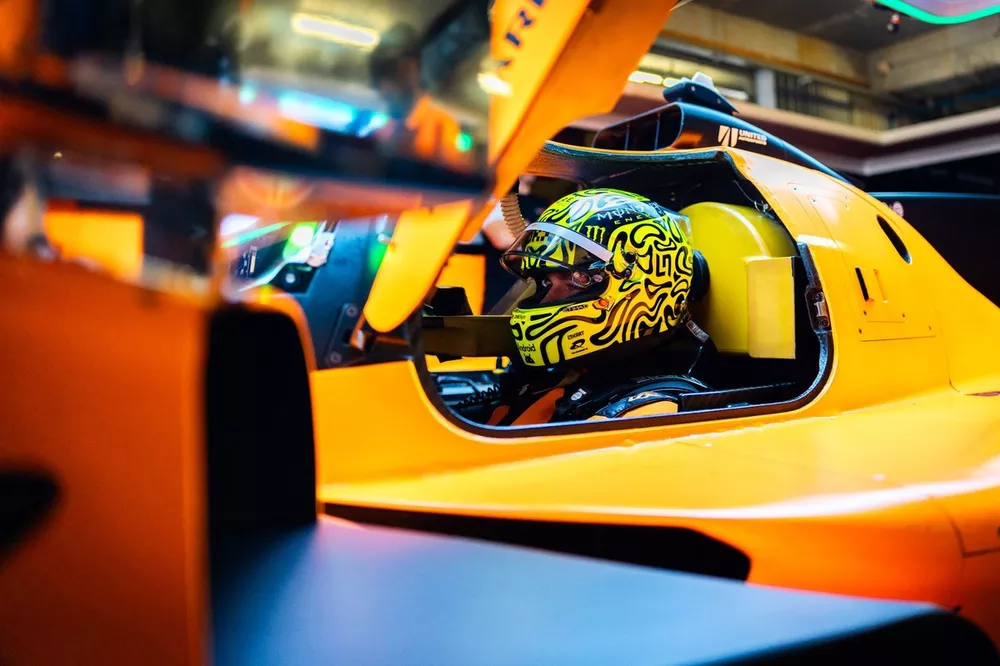
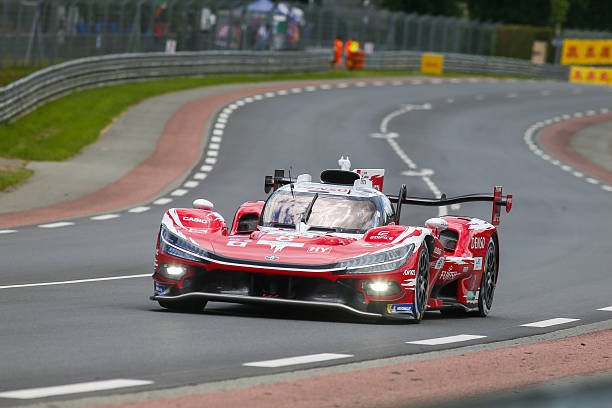
The timing of the discussions is also significant because the WEC is currently experiencing strong growth. The 2027 championship will feature nine rounds, with Silverstone returning to the calendar, while Ford and McLaren are set to join the Hypercar field. The series currently has a large group of manufacturers competing in the Hypercar and LMGT3 categories.
Another important factor is the future of the Hypercar regulations. In June, the FIA and ACO announced the principles of a new technical platform that is planned to arrive in 2030. The objective is to move towards a single technical platform for the top class while maintaining manufacturer-specific engines and allowing different development paths. The future rules are also designed to keep the WEC closely connected with the IMSA SportsCar Championship.
The connection with IMSA is particularly important because the current Hypercar era was built around the convergence between the FIA WEC’s LMH regulations and IMSA’s LMDh rules. This has allowed manufacturers to compete on both sides of the Atlantic with cars based on compatible technical concepts. Any major change in the relationship between the FIA and ACO could therefore have wider consequences for the future direction of top-level endurance racing.

Share this content: