FORMULA 1 HEADS TO HUNGARORING FOR THE FINAL RACE BEFORE THE SUMMER BREAK
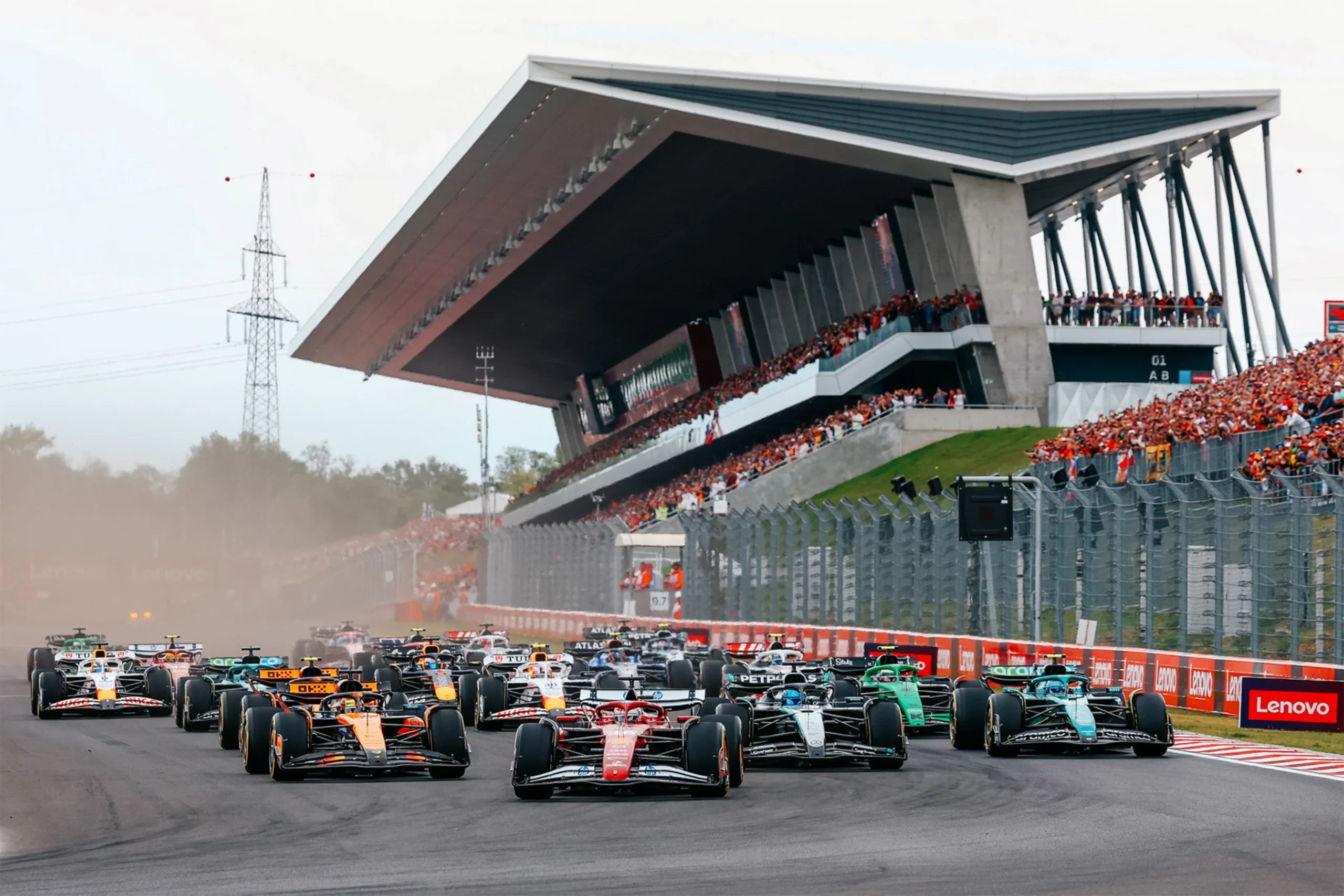
Formula 1 heads straight to the Hungaroring this weekend for the 2026 Hungarian Grand Prix, the 11th round of the season and the final race before the championship pauses for its traditional summer break. After an exciting weekend at Spa-Francorchamps, teams now face a completely different challenge at one of the slowest and most technical circuits on the calendar.
The Hungarian Grand Prix will follow the traditional weekend format, with three practice sessions, qualifying and the race. While Spa rewarded top speed and low-downforce efficiency, the Hungaroring demands maximum aerodynamic grip, strong traction and excellent balance through its many medium- and low-speed corners. Often described as “Monaco without the walls,” the circuit makes overtaking extremely difficult, placing even greater importance on qualifying and race strategy.
Mercedes arrives in Budapest as the team to beat after another dominant performance in Belgium. Andrea Kimi Antonelli strengthened his position as the championship favorite by taking pole position and winning at Spa, adding another victory to an already impressive season. The Italian has been the benchmark throughout much of 2026 and will look to extend his momentum before the summer break.
Ferrari could pose Mercedes’ biggest threat this weekend. The characteristics of the Hungaroring are expected to suit the SF-26 better than Spa, as engine performance plays a smaller role and aerodynamic efficiency becomes much more important. Ferrari has shown encouraging pace in recent races, collecting two victories and several podium finishes, proving the team has made significant progress compared to the start of the season.
However, Mercedes cannot be underestimated. Similar expectations surrounded Ferrari before Monaco earlier this year, only for Antonelli and the W17 to dominate the weekend. The German team has consistently adapted well to different circuit layouts and remains the reference point heading into Hungary.
Red Bull is also expected to remain in the fight. Max Verstappen once again showed strong pace in Belgium by qualifying on the front row, while Isack Hadjar impressed with another solid recovery drive despite taking engine penalties. If Red Bull finds the right setup for the higher-downforce layout, the team could challenge for victory.
McLaren will be looking for a much stronger result after a frustrating Belgian Grand Prix. The team showed excellent speed throughout practice and qualifying, but penalties and missed opportunities prevented it from converting that pace into a better race result. Budapest offers another opportunity for Lando Norris and Oscar Piastri to return to the front.
One of the biggest stories of the weekend will be Aston Martin. The Silverstone-based team is expected to introduce the long-awaited “B-spec” version of the AMR26, hoping to improve a difficult first half of the season. While the upgrade is not expected to transform the team’s competitiveness immediately, it represents an important step before Honda introduces its updated power unit at Zandvoort under the ADUO concession system, which is designed to help manufacturers close performance gaps.
What does Pirelli bring to the Hungaroring
Pirelli has selected the softest tyre compounds in its 2026 Formula 1 range for the Hungarian Grand Prix. Teams will use the C3 as the Hard tyre, the C4 as the Medium and the C5 as the Soft. The choice reflects the nature of the Hungaroring, where drivers need maximum grip under braking and strong traction when accelerating out of slow corners.
The circuit surface presents different challenges throughout the lap. Most of the track still features older, rough asphalt, while Turns 1 and 12 have recently been resurfaced. Grip levels are expected to be among the lowest of the season, especially during the early sessions, meaning the track will evolve significantly as more rubber is laid down across the weekend.
High temperatures are another key factor in Hungary. The hot conditions usually increase thermal tyre degradation, particularly on the rear tyres, while the soft compound could also suffer from graining during long runs. As a result, teams will have to carefully balance tyre life against outright pace.
Strategy is expected to play an important role once again. Both one-stop and two-stop strategies could be competitive depending on tyre degradation and weather conditions. Since overtaking at the Hungaroring is notoriously difficult, many teams may choose the strategy that prioritizes track position rather than outright speed, especially if temperatures remain high on race day.
Following the Hungarian Grand Prix, Pirelli will remain at the Hungaroring for two days of tyre testing alongside Aston Martin, Audi and Alpine as development continues for the 2027 Formula 1 tyres.
The track map
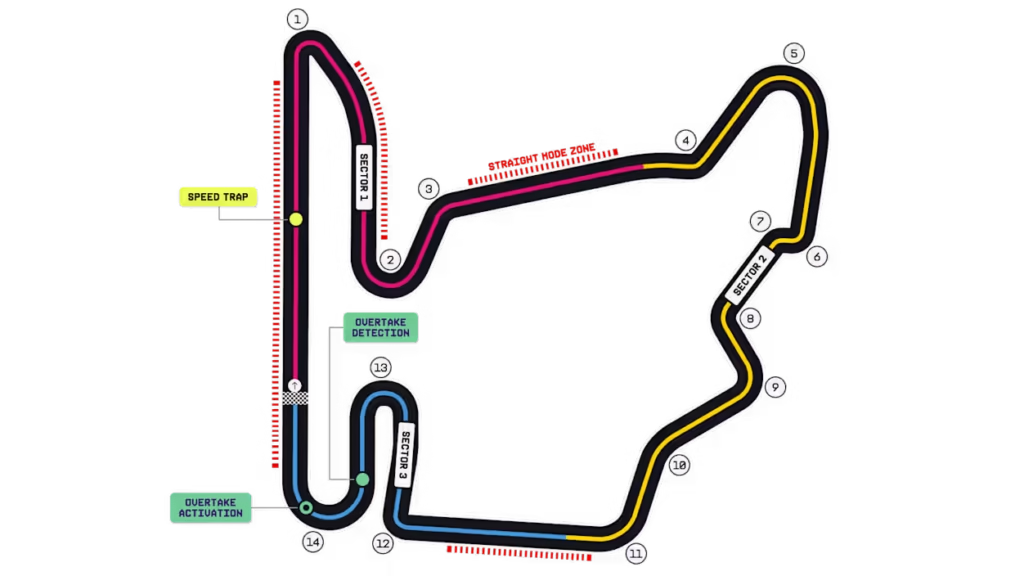
The track map for this weekend presents four straight mode zones. Another important technical aspect this weekend is energy management. The maximum energy recharge per lap has been set at 9 MJ, one of the highest values of the season. As a result, teams are not expected to face significant battery limitations around the Hungaroring, with enough electrical energy available throughout the lap. This allows drivers to focus more on optimizing tyre performance, braking and traction rather than having to carefully manage energy deployment.

Share this content: