FIA AND MANUFACTURERS REACH BROAD AGREEMENT ON F1’S NEXT ENGINE REGULATIONS
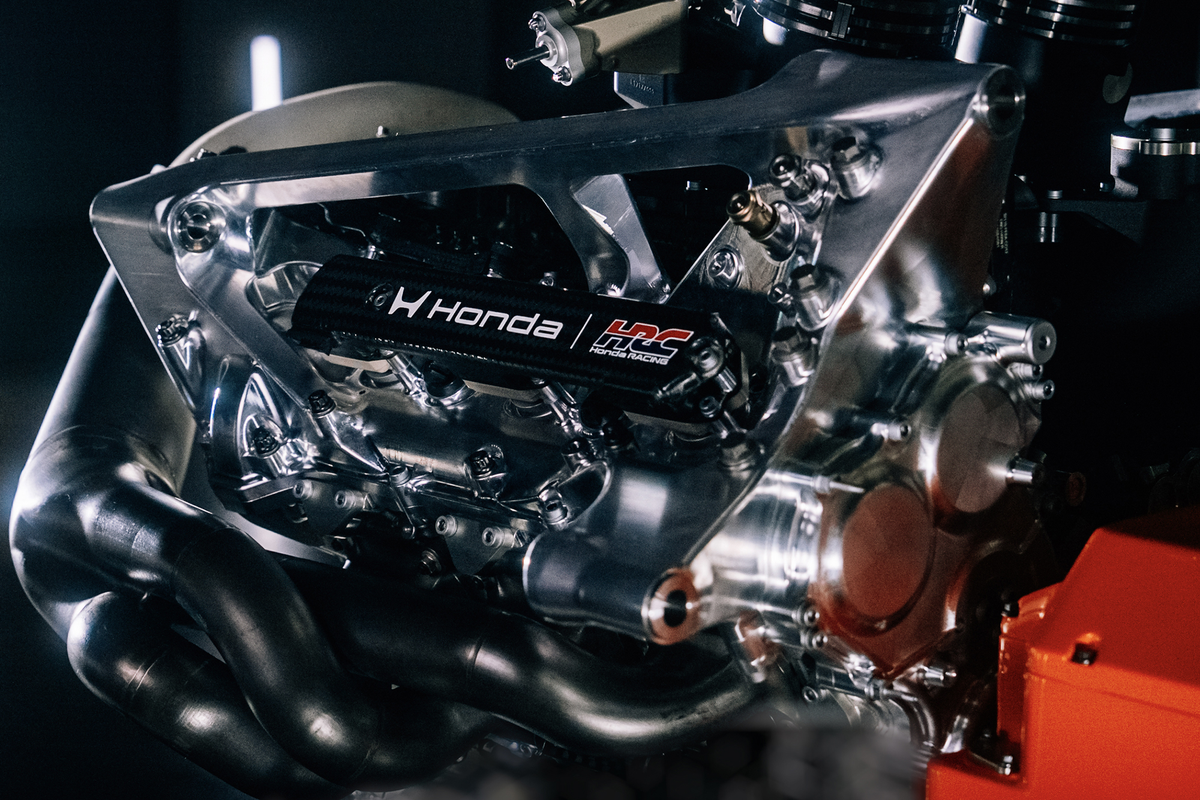
Formula 1 is getting closer to its next major engine change. The FIA and the manufacturers involved in the championship have reached broad agreement on the main elements of the power unit regulations that could be introduced from 2030, according to reports from Motorsport.com and Autosport. Some details are still being discussed, but the general direction of the new engine has now become clearer.
The main proposal is for Formula 1 to return to a 3.0-litre V8 engine. Unlike the V8 engines used before the hybrid era, the new unit would still use some electrification. The current plan includes a much smaller electric motor and a simpler electrical system, with the goal of reducing the complexity and weight of the power unit.
A naturally aspirated V8 was also considered during the discussions, but the current direction is towards keeping a turbocharger. One of the reasons reported for rejecting the naturally aspirated option is the noise limits at some street circuits, where a louder engine could create problems for race organisers.
The proposed engine would also be significantly lighter than the current generation. Reports indicate that Formula 1 is targeting a reduction of around 50 kilograms through a smaller electrical system and a simpler overall design. This would support the wider goal of making future F1 cars lighter and less complex.
The change would come only a few years after the introduction of the 2026 power units. The current regulations introduced a much larger electrical contribution, with the internal combustion engine and electric system playing a far more balanced role. The FIA and F1 have already agreed changes for 2027 and 2028 to rebalance the contribution of the internal combustion engine and energy recovery system after concerns about energy management during the opening part of the 2026 season.
The possibility of bringing the next engine regulations forward has been discussed for some time. F1 CEO Stefano Domenicali said earlier in 2026 that the sport needed to decide on its future power unit direction quickly because engine projects require several years of preparation. At that stage, 2030 or 2031 were the main possible timelines being discussed.
The manufacturers have also been involved in the discussions because several companies have made major investments in the current 2026 regulations. In 2025, Motorsport.com reported that manufacturers were broadly aligned with the idea of a future V8-based engine, but some did not want to accelerate the change too much because they had already committed significant resources to the 2026 programme.
Another possible change being discussed is a new overtaking system. Reports indicate that a push-to-pass system could be introduced alongside the new engine regulations, potentially from 2030. However, this part of the plan has not yet been finalised, so its exact operation and introduction date remain open.
Sustainable fuel is expected to remain an important part of the future regulations. Formula 1 introduced fully sustainable fuel with the 2026 engine rules, and the future power unit is expected to continue using this technology while putting a greater focus on the internal combustion engine and reducing the amount of electrical hardware.

Share this content: