THE 24 HOURS OF DAYTONA: A BRIEF HISTORY OF AMERICA’S GREATEST ENDURANCE RACE
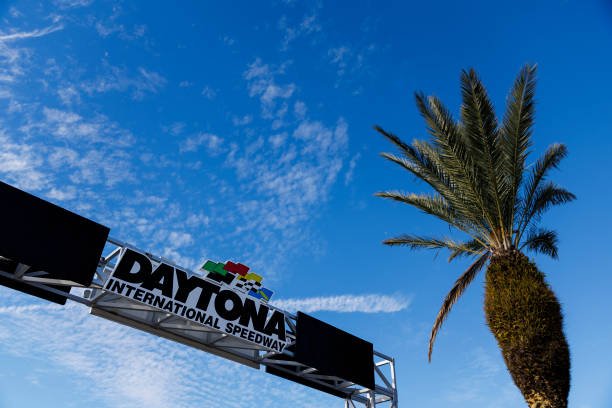
The 24 Hours of Daytona, today known as the Rolex 24 At Daytona, is one of the world’s premier endurance sports car races and the traditional season‑opening highlight of North American sports car racing. Held annually at Daytona International Speedway in Florida, it has attracted the world’s best drivers and manufacturers since it first ran as a 24‑hour event in 1966.
From Beach Races to a Modern Speedway
Long before the race was born, Daytona was already famous. In the early 20th century, land‑speed record attempts and road races were held on the hard‑packed sands of the Daytona Beach and Road Course, a venue that hosted sports car events until it closed in 1958.
With the construction of Daytona International Speedway, opened in 1959 by NASCAR founder Bill France Sr., the focus shifted from the beach to a purpose‑built high‑banked oval with an infield road course. A 6‑hour/1000 km sports car race was held that same year on the combined layout, effectively setting the stage for what would become the 24‑hour classic.
The Daytona Continental: Laying the Groundwork
The immediate forerunner of the modern race was the Daytona Continental, first run in 1962. Initially a 3‑hour endurance race for international sports cars, the Continental quickly drew major European teams and began to position Daytona as the American counterpart to Europe’s great long‑distance events.
Over the next few years the organizers experimented with longer distances, including 2000 km and 1000‑km formats, as the race grew in prestige and became a round of the World Sportscar Championship. This gradual expansion set the foundation for transforming Daytona into a full 24‑hour test of speed, strategy, and reliability.
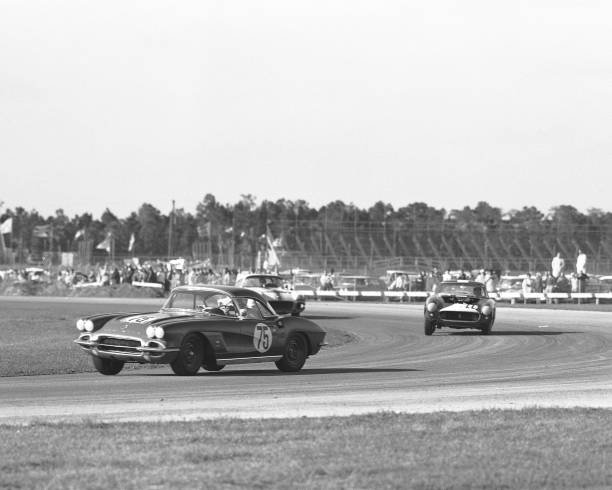
1966: The First 24 Hours
Daytona’s first true 24‑hour race took place on February 5-6, 1966, designed explicitly to mirror the format and prestige of the 24 Hours of Le Mans. It arrived at the height of Ford’s famous battle with Ferrari, and the inaugural edition produced a dominant Ford performance.
Ken Miles and Lloyd Ruby claimed overall victory in a Ford GT40 Mk II, leading a Ford sweep of the podium that underlined both the speed of the American prototypes and the importance of Daytona on the world stage. From that moment, the 24 Hours of Daytona was firmly established as a cornerstone of the international sports car calendar.
Changing Cars, Constant Challenge
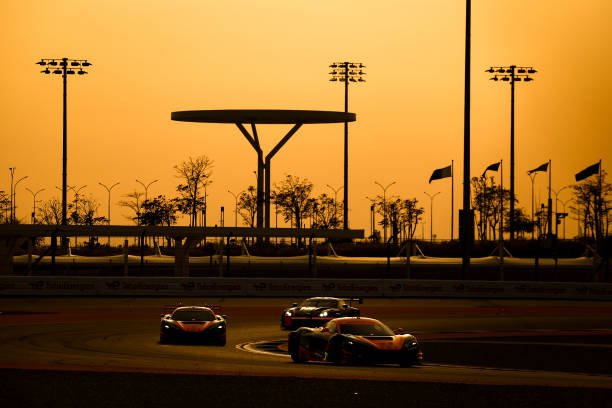
Across the decades, Daytona has evolved alongside shifting regulations and governing bodies, but the core challenge has remained the same: survive 24 hours of relentless competition:
- In the late 1960s and 1970s, the race hosted World Sportscar Championship prototypes and GT cars, featuring legendary machinery from Ferrari, Porsche, and other factory teams.
- The 1980s and early 1990s became a golden era for IMSA GTP, with powerful prototypes like the Porsche 962 and rival factory efforts defining the race.
- Later, the event transitioned through various IMSA and Grand‑Am rule sets, including Daytona Prototypes and GT classes, before the 2014 merger of Grand‑Am and the American Le Mans Series.
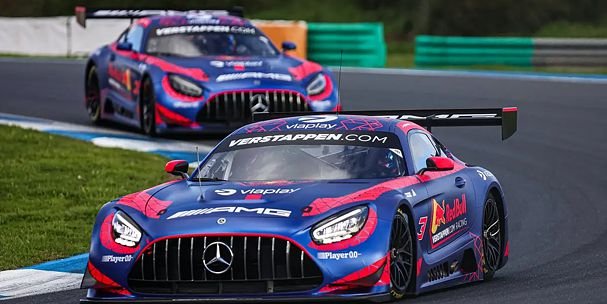
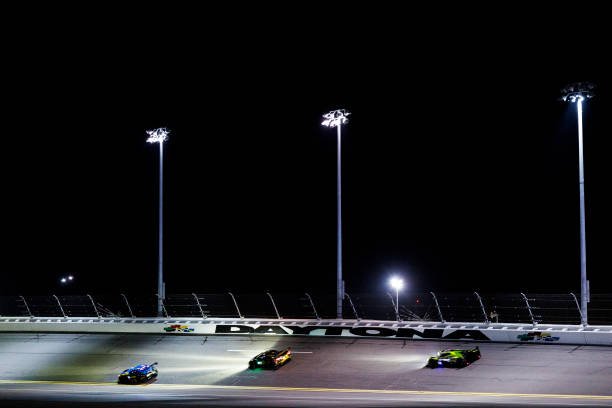
- Today, under the IMSA SportsCar Championship banner, the grid features modern hybrid GTP prototypes alongside GT3‑spec GTD cars, maintaining Daytona’s role at the cutting edge of endurance technology.
The Rolex Era and Global Prestige
The race’s modern identity is closely tied to its title sponsor and prize: the Rolex 24 At Daytona. Overall and class winners receive an engraved Rolex Daytona watch, a symbol that has become as coveted as the race trophy itself.
This prestige draws an unusually diverse entry list. Top sports car regulars share the track with champions from IndyCar, NASCAR, and Formula 1, turning the event into a showcase of international driving talent each January. The race also serves as the opening long‑distance classic of the North American season, often setting the tone for championship battles to come.
Legends and Milestones
Over nearly six decades, the 24 Hours of Daytona has built a rich roll of honor. Drivers such as Hurley Haywood and Scott Pruett have become synonymous with the event, each earning multiple overall victories and helping to define its legacy.
Memorable storylines have included manufacturer duels, dramatic night‑time battles under the floodlights, and last‑hour lead changes that turned endurance into a sprint to the finish. Alongside the 24 Hours of Le Mans and the 12 Hours of Sebring, the 24 Hours of Daytona is now regarded as one of the three great pillars of global sports car endurance racing.

Share this content: