MCLAREN AND FERRARI BRING A COMPLETELY RENEWED CAR TO MIAMI
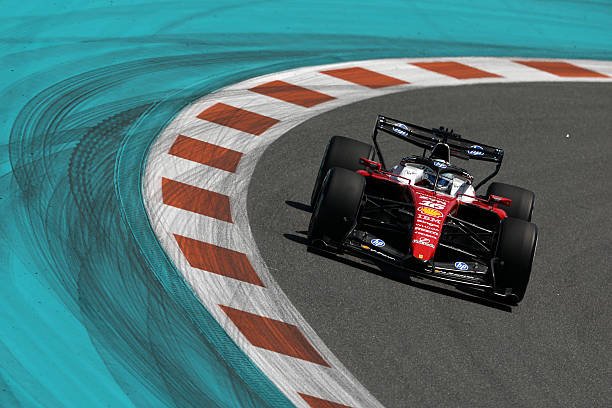
At the Miami Grand Prix, it is very clear that both McLaren and Ferrari have not just brought small upgrades, but something much closer to a new car.
The early signs on track already suggest that these changes are working, with strong results in both single-lap pace and longer race simulations.
What is Mclaren bringing
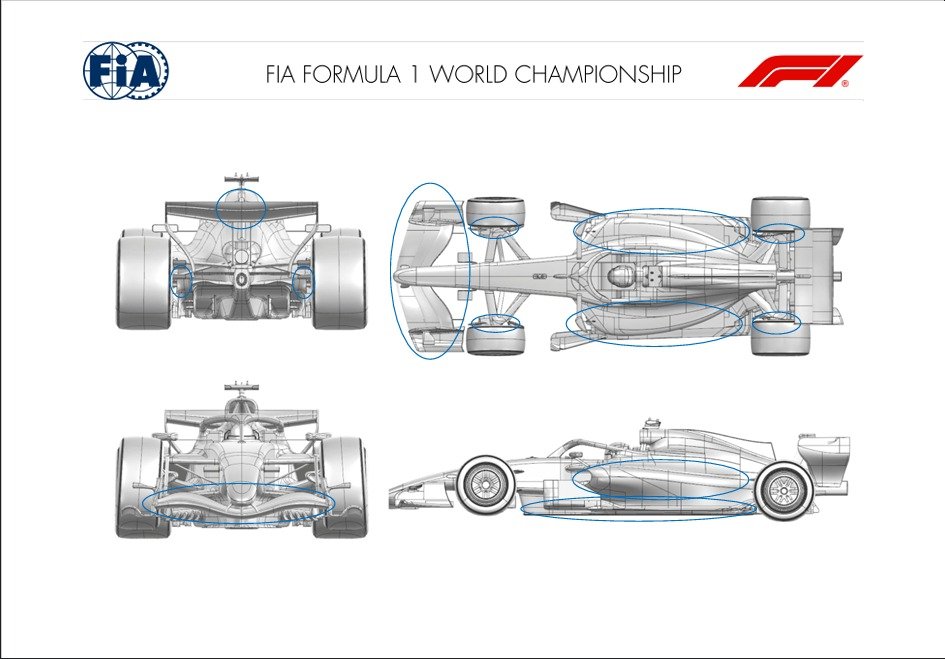
For McLaren, the update package touches almost every key aerodynamic area of the car. At the front, the team has revised the front corner parts to improve how air flows from the front wing to the rest of the car. This helps create cleaner and more stable airflow, which is very important for overall grip.
Around the middle of the car, new bodywork elements and a revised sidepod inlet work together to guide air more efficiently toward the floor, which is the most important part for generating downforce in modern Formula 1.
The biggest change for McLaren is the completely new floor and board geometry. This is effectively the heart of the car’s performance, and changing it usually means a major step forward. The new design increases aerodynamic load and improves efficiency in different conditions, making the car faster in both corners and on straights.
At the rear, more updates have been added, including revised rear corner components and a new rear wing. These changes help the airflow stay stable as it leaves the car, improving both grip and top speed. There is also a cooling option with sidepod louvres to handle the heat of Miami without losing too much performance.
Ferrari takes the same steps
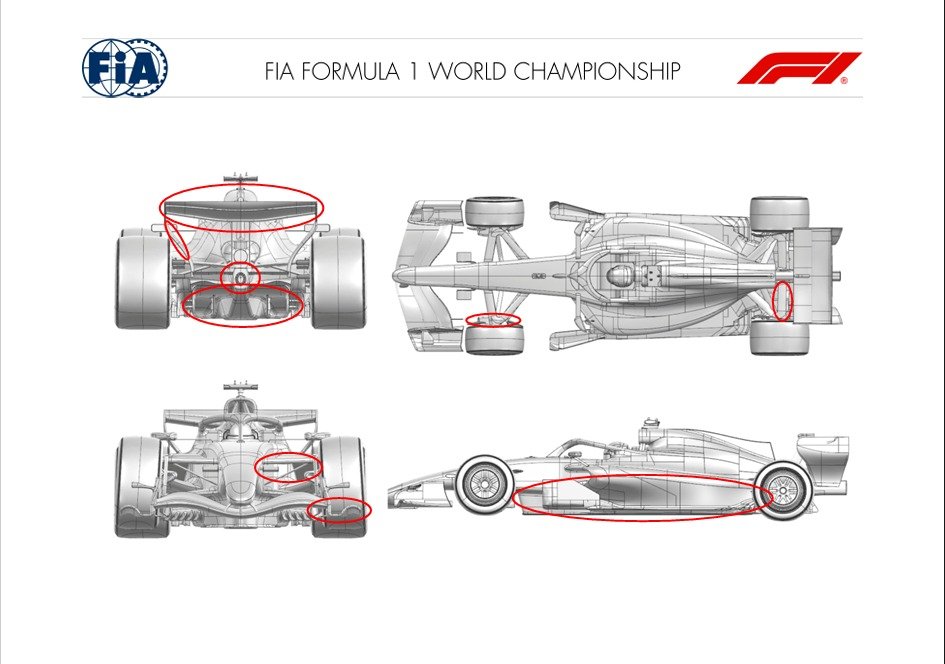
Ferrari has taken a similar approach, with a very wide and detailed set of updates across the entire car. At the front, changes to the front wing endplate and front corner parts are designed to better control the turbulent air created by the front wheels.
This is important because messy airflow can reduce performance further down the car. The front suspension has also been reshaped to improve how forces and airflow are managed, giving better balance and efficiency.
Like McLaren, Ferrari has made major changes to the floor, which is where most of the car’s downforce comes from. The front part of the floor has been redesigned to take better advantage of the improved airflow from the front of the car, while the edges and rear sections have been updated to increase load across all conditions. The diffuser, which helps extract air from under the car, has also been heavily revised to improve overall performance.
At the rear, Ferrari has updated the suspension, beam wing, and rear wing. These changes are focused on increasing downforce in corners while also reducing drag on straights.
The new rear wing design is especially important because it tries to balance two opposite goals: high grip in corners and low resistance on long straights. This balance is key at a track like Miami.
The effects of these upgrades were seen immediately on track. Lando Norris took pole position in the sprint race, showing that McLaren’s changes have improved one-lap performance significantly.
At the same time, Charles Leclerc showed very strong pace for Ferrari during race simulations in free practice, as well as in qualifying runs. This suggests that Ferrari’s upgrades are working well over longer distances, which is crucial for the main race.
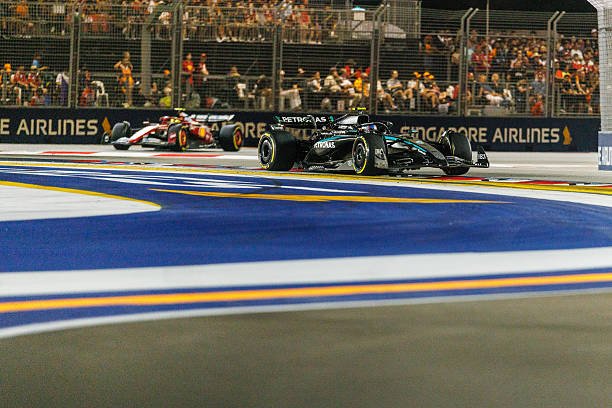
Mercedes has chosen a different strategy. Instead of bringing a large upgrade package to Miami, the team has decided to wait for the Canadian Grand Prix to introduce its major changes.

Share this content: