FORMULA E RETURNS TO TOKYO FOR ITS FIRST NIGHT RACES
Formula E returns to action this weekend with the Tokyo ePrix, the 14th and 15th rounds of Season 12, and the Japanese capital will make history by hosting its first-ever night races. The event will close the Asian part of the calendar after races in Sanya and Shanghai completely changed the championship situation.
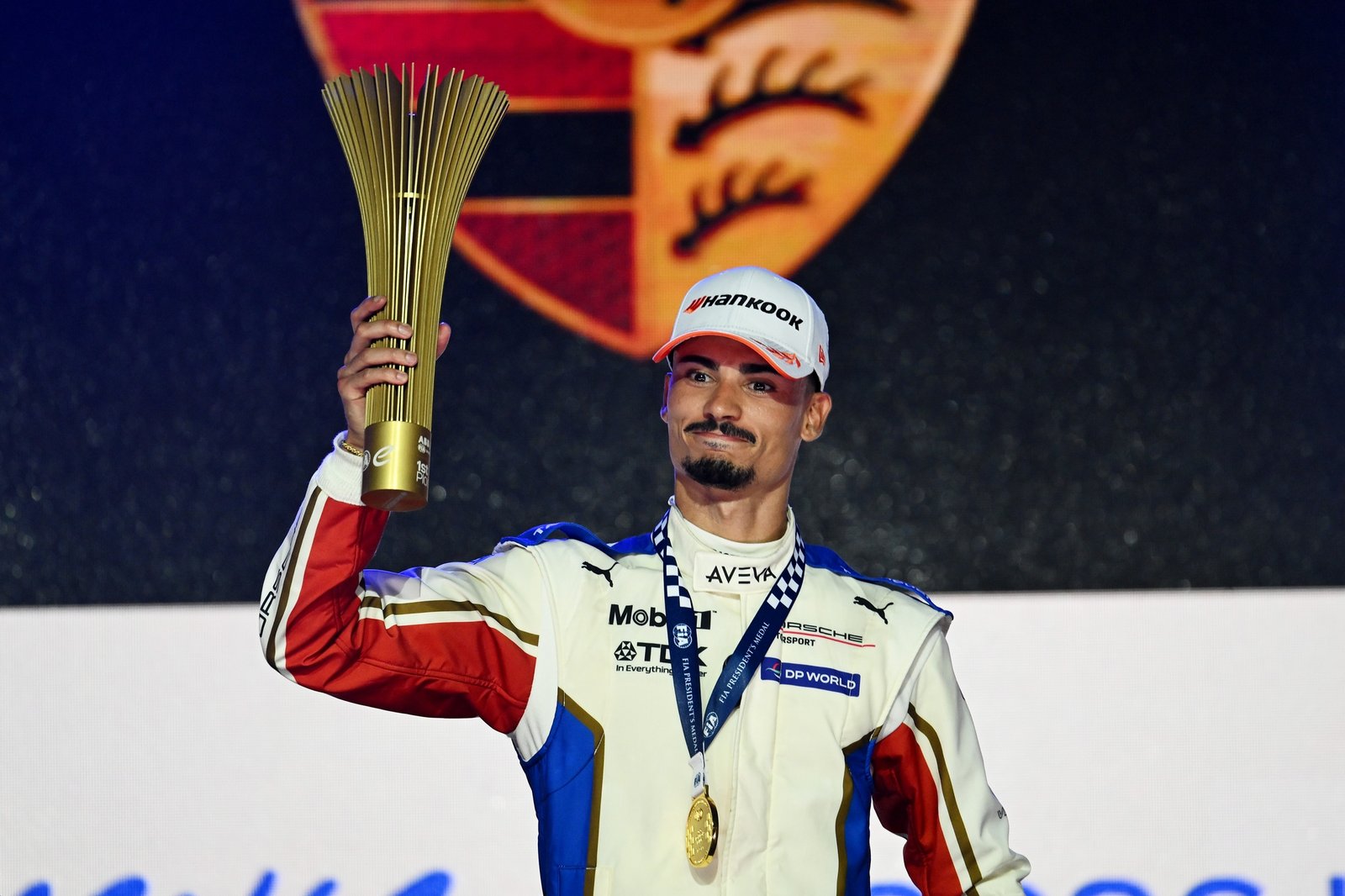
The Shanghai weekend produced three different winners, with Jake Dennis, Pascal Wehrlein and Lucas Di Grassi all taking victories. Di Grassi’s success also made him the oldest race winner in Formula E history. These results created a new championship battle with only four races remaining.
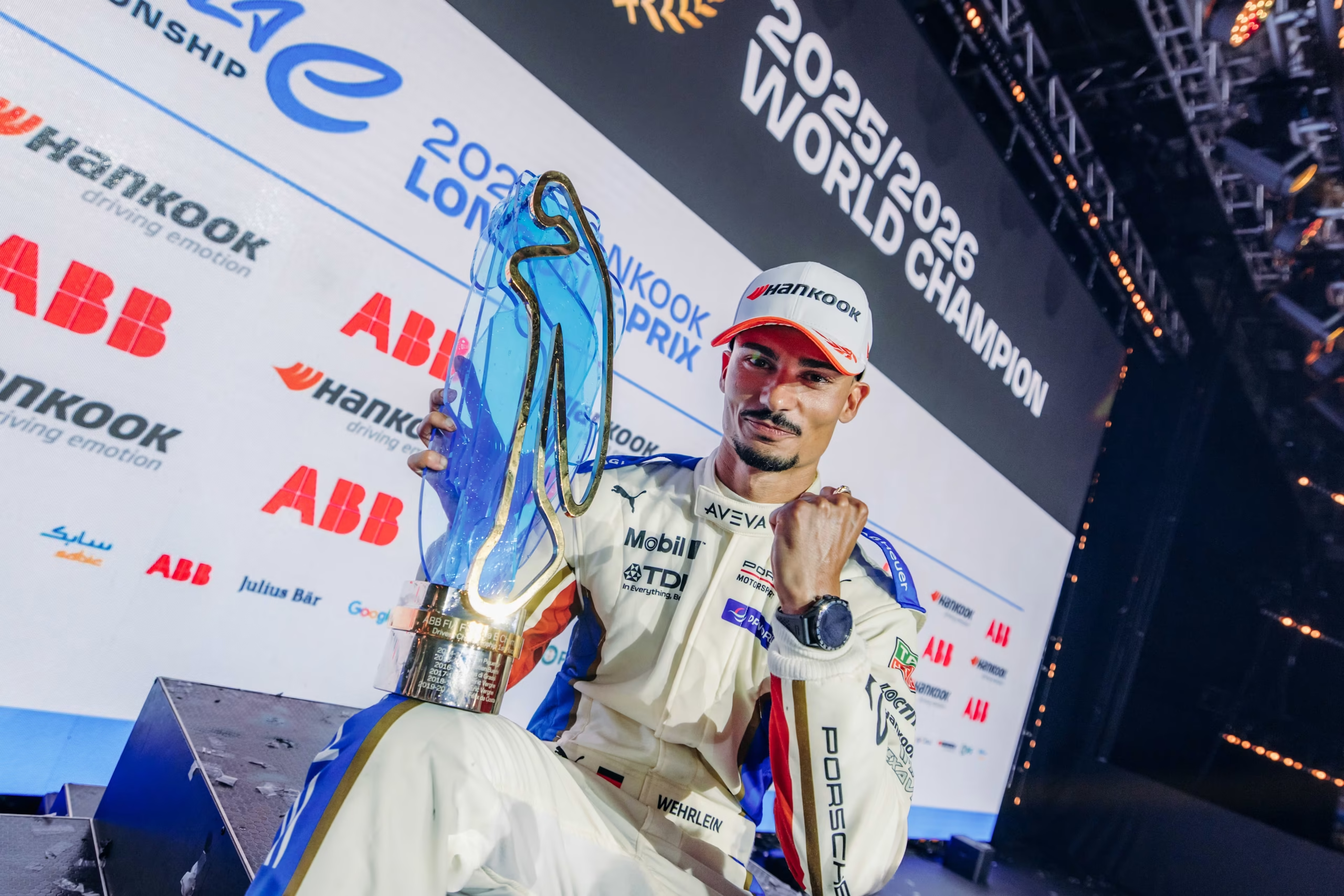
Pascal Wehrlein arrives in Tokyo as the new championship leader with 141 points. The Porsche driver moved ahead of Mitch Evans, who lost the lead after scoring only four points in the last three races. The Jaguar driver is now second with 132 points, nine behind Wehrlein.
Behind them, Oliver Rowland and António Félix da Costa remain in the fight, sitting third and fourth in the standings with 114 and 111 points respectively.
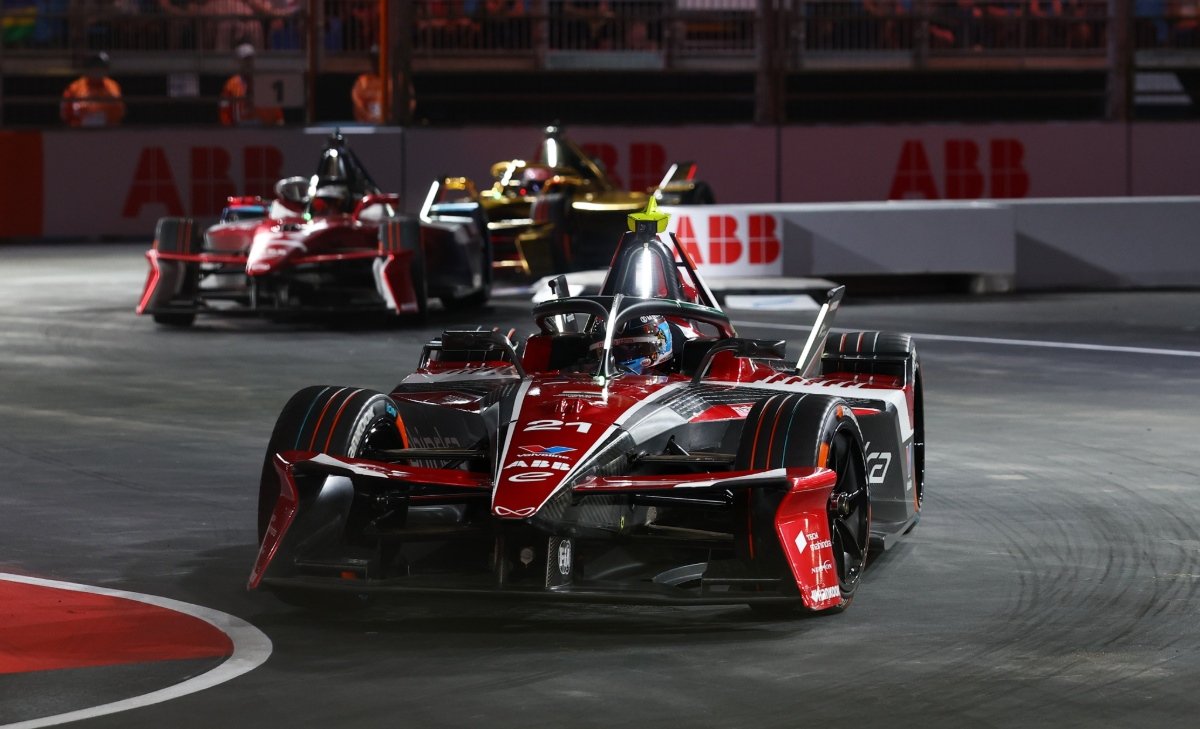
The Teams’ Championship is also extremely close. Jaguar TCS Racing leads with 243 points, but TAG Heuer Porsche is only six points behind with 237. Andretti Global is currently third with 174 points and will race in Tokyo with a special anniversary livery.
In the Manufacturers’ Championship, Porsche holds a bigger advantage with 384 points, ahead of Jaguar with 334 and Stellantis with 192 points.
The Tokyo weekend will also take place shortly after the passing of Cyril Blais, who was Team Principal of Citroën Racing in Formula E this season. Blais had been involved in motorsport for many years, working in Formula 3, Formula 2 and Formula E before taking his latest role.
The Tokyo ePrix joined the Formula E calendar in 2024, with Maximilian Günther becoming the first winner in Japan. That race was decided mainly by energy management, with Günther overtaking Oliver Rowland late in the race after the Nissan driver had controlled the pace for much of the event.
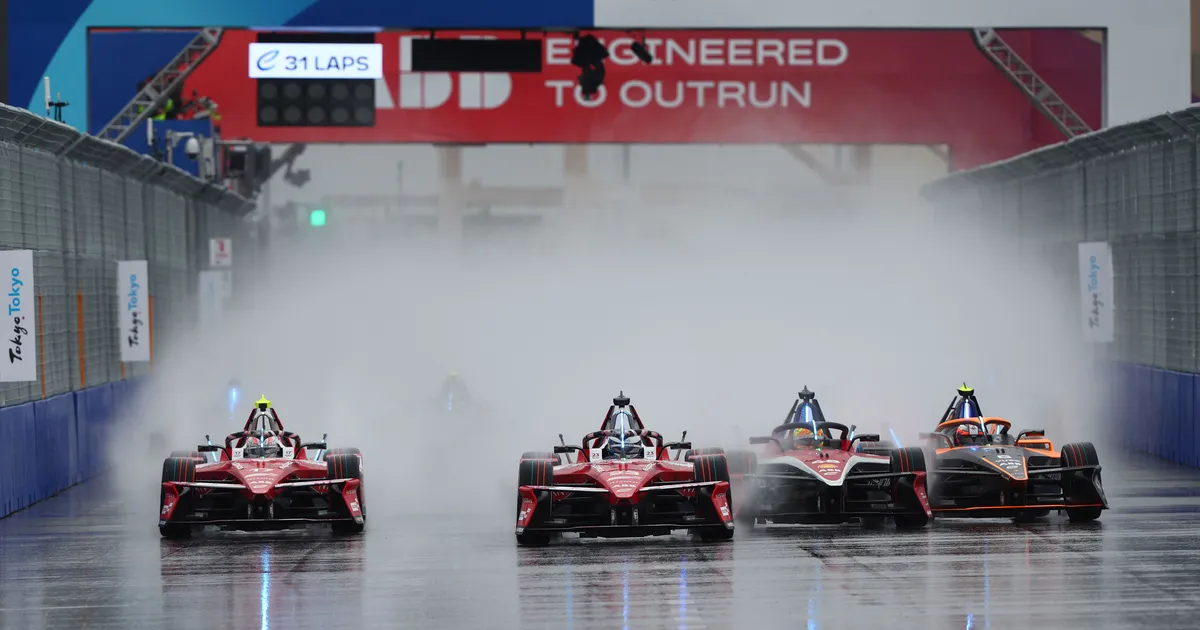
The 2025 edition became the first Tokyo double-header. The opening race was affected by bad weather, a delayed start and a red flag. Stoffel Vandoorne won after making a strategic decision to complete the Pit Boost before the interruption, giving him an advantage when the race restarted.
The second race was held in better conditions and saw Oliver Rowland take a crucial victory in his championship fight. The Nissan driver defeated Pascal Wehrlein and Dan Ticktum, who scored his first Formula E podium.
The Tokyo circuit is a 2.575 km street track with 18 corners around the Tokyo Big Sight exhibition centre. The layout has been slightly changed compared to previous years, becoming shorter by 10 metres and losing two corners after a modification to Turn 16.
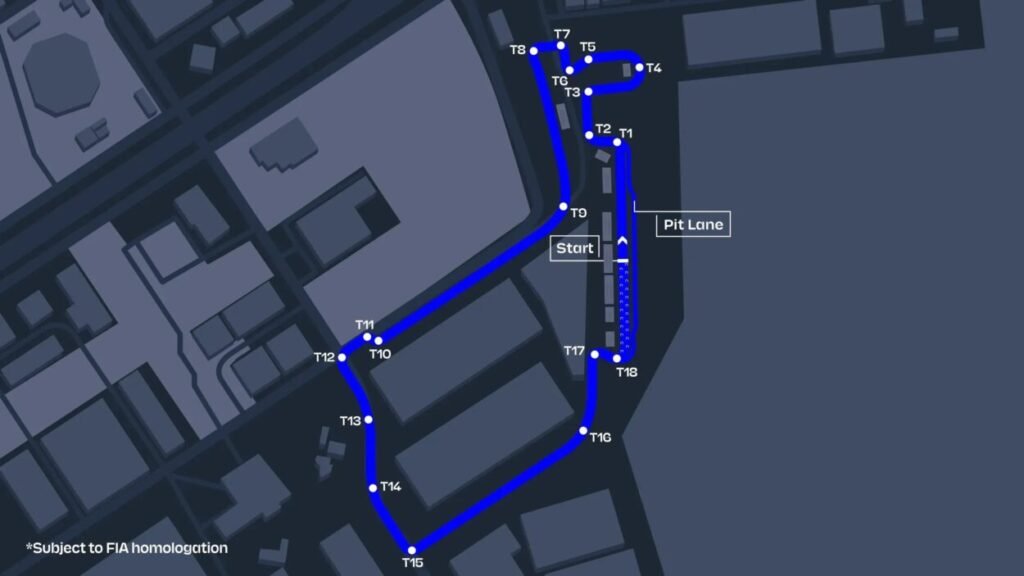
The track is narrow and technical, making overtaking difficult. The first sector features several slow corners, including the long Turn 4 where the Attack Mode activation zone will be located. The middle part includes several short straights and chicanes, while the final section leads the cars back to the start-finish straight through the final two corners.
Formula E describes the Tokyo layout as a challenging street circuit combining tight corners, technical sections and faster combinations, all surrounded by the Tokyo skyline.
As part of the double-header format, the Pit Boost will return in Tokyo. Drivers will have to complete a mandatory pit stop lasting at least 34 seconds to recharge 10% of their battery when their State of Charge is between 60% and 40%. This extra element will add another strategic factor to the first race of the weekend.

Share this content: