ADUO: FIA CONFIRMS ENGINE UPGRADE ALLOWANCES
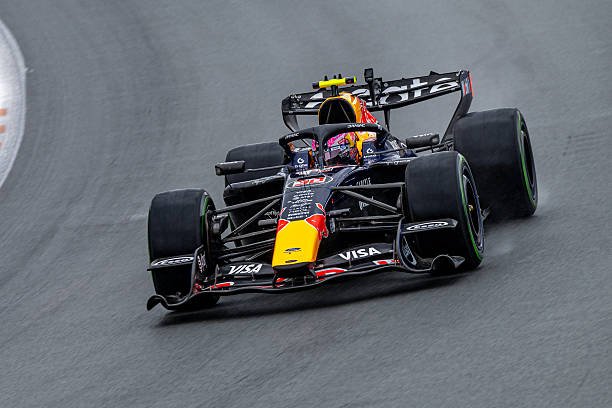
The FIA has published the results of the first two ADUO review periods of the 2026 season, confirming that Red Bull-Ford still has the most powerful combustion engine in Formula 1 and that four rival manufacturers will be allowed extra upgrades to close the gap.
ADUO stands for Additional Development and Upgrade Opportunities. It sits in Article C4 of the 2026 technical regulations and it exists because of what happened in 2014. When the last engine rules arrived, Mercedes built something so far ahead that the championship was effectively decided before the season started, and rivals spent years chasing.
ADUO is that lesson written into the rulebook. Engines were homologated and frozen on 1 March, but any manufacturer measured at least 2% below the strongest combustion engine automatically earns extra upgrade slots, plus more dyno hours and extra room under the cost cap. It is not something teams apply for.
There are two bands. A manufacturer between 2% and 4% behind gets one additional homologation this year and one next year. A manufacturer more than 4% behind gets two in each year. In the first period, which closed after the Canadian Grand Prix, Mercedes fell into the 2-4% band and received one upgrade for 2026 and one for 2027. Audi, Ferrari and Honda were all measured beyond 4% and received two for each season.
The second period, which ran to the Hungarian Grand Prix, produced no further awards at all. That is arguably the more interesting result, because it suggests the field has stopped spreading and started converging.
The combustion engine makes up only a little over half of what a 2026 power unit produces, since the rules moved to a near-equal split between combustion and electrical power. Being the strongest on the combustion side is therefore not the same as having the strongest power unit overall, and it is not the same as having the fastest car. Red Bull holds the engine benchmark and sits fourth in the constructors’ championship. Mercedes, measured as down on combustion power, leads it.
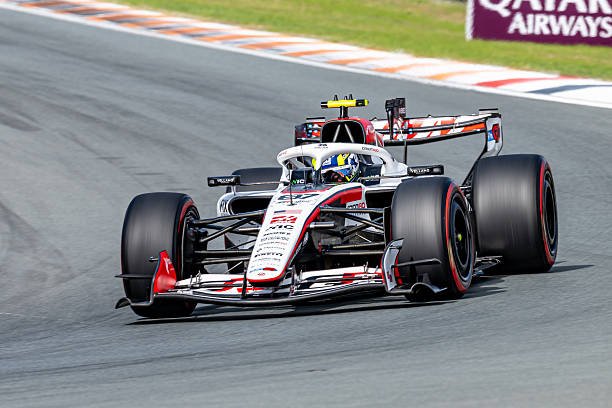
Several manufacturers have already spent part of their allowance. Audi introduced an update around Barcelona, Ferrari brought its first engine upgrade to Austria with another possible at Monza, and Honda ran its new specification at Zandvoort, where drivers reported problems with driveability. That Honda unit arrived too late to be included in this analysis, so the next review will be the first to measure it. Mercedes has been free to use its 2026 upgrade since June but is not believed to have done so yet.
The FIA will not publish the underlying numbers. It says the performance index measurements stay confidential to protect the manufacturers’ intellectual property, and single-seater director Nikolas Tombazis described the process as a “thorough and exhaustive analysis” while acknowledging that this is the first year of the system and that it may change. The findings from the first period had already leaked before this announcement, and rivals have questioned how the testing was carried out. Red Bull has also pushed back on how its own position has been characterised.
The third review period covers until round 18, in Mexico City.

Share this content: