CONTROVERSIAL ADUO FIGURES ARE REVEALED FOR 2026 F1 SEASON
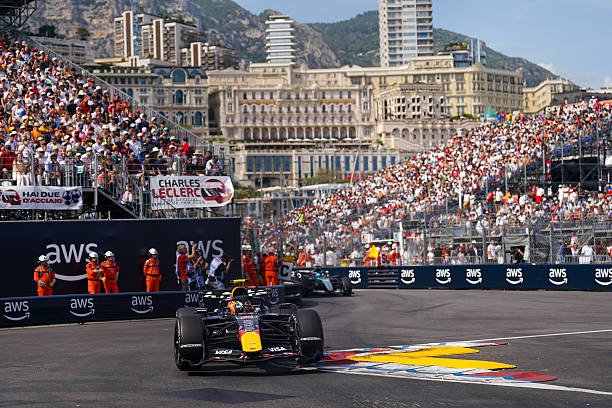
The FIA has released the first ADUO performance figures for Formula 1’s new generation of power units, and the results have surprised much of the paddock. While many expected Mercedes to emerge as the benchmark under the 2026 regulations, the data places Red Bull Powertrains at the top of the rankings for Internal Combustion Engine (ICE) performance.
According to the FIA’s assessment, Red Bull Powertrains currently has the strongest combustion engine among all manufacturers. Mercedes, long regarded as Formula 1’s engine powerhouse, was assessed as being more than 2% behind the leading benchmark.
In practical terms, estimates from Autoracer.it sources suggest that this gap could represent roughly 12 to 24 horsepower. Because of this deficit, Mercedes becomes eligible for support through the FIA’s ADUO system, a mechanism designed to help manufacturers that are trailing the leader close the gap more quickly.
Ferrari and Audi were found to be even further behind. Reports indicate that both manufacturers fall into a range between 4-6% below the benchmark, which could correspond to approximately 24 to 36 horsepower. This places them among the manufacturers receiving some of the largest development concessions currently available under the regulations.
Honda appears to be facing the biggest challenge of all. The Japanese manufacturer reportedly falls into the 6-8% category, a range that was recently added by the FIA to provide additional support for manufacturers that are significantly behind the leader. As a result, Honda gains access to increased development opportunities and greater spending allowances in an effort to accelerate its progress.
Why are the ADUO figures controversial
The ADUO system, which stands for Additional Development and Upgrade Opportunities, was introduced to avoid a repeat of previous Formula 1 engine eras where one manufacturer could establish a massive advantage that rivals would struggle to overcome for years.
Under the system, manufacturers that fall behind the benchmark are granted additional testing, development allowances, and in certain cases extra financial help. The goal is to keep the field closer and prevent a single engine supplier from dominating an entire regulation cycle.
However, the publication of these figures has already sparked debate throughout the paddock. One of the main criticisms is that the FIA’s calculations focus only on the performance of the Internal Combustion Engine rather than the complete power unit.
Modern Formula 1 power units are extremely complex systems that combine the combustion engine, electric motor, battery, energy recovery systems, control electronics, and sophisticated software.
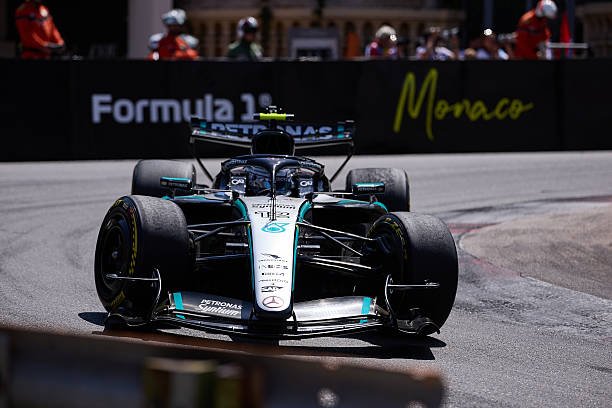
This issue becomes particularly interesting when compared to what is happening on track. Despite Red Bull Powertrains leading the FIA’s ICE assessment, Mercedes has emerged as the dominant force in the championship.
Mercedes-powered cars have won every race so far this season. This has led some observers to question whether the current ADUO system accurately reflects the true performance of Formula 1’s power units.

Share this content: