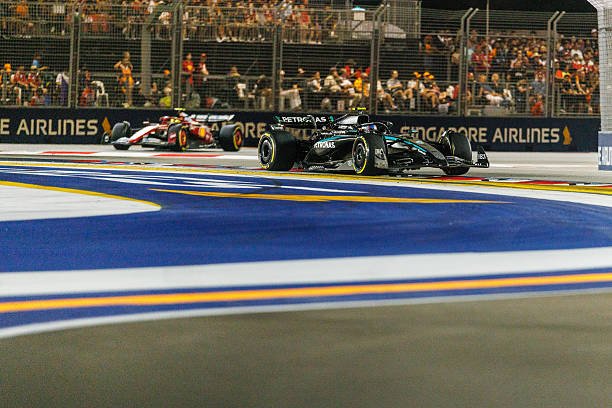
HEAVY LOCK-UPS DURING PRACTICE AT MIAMI: WHAT ARE THE CAUSES?
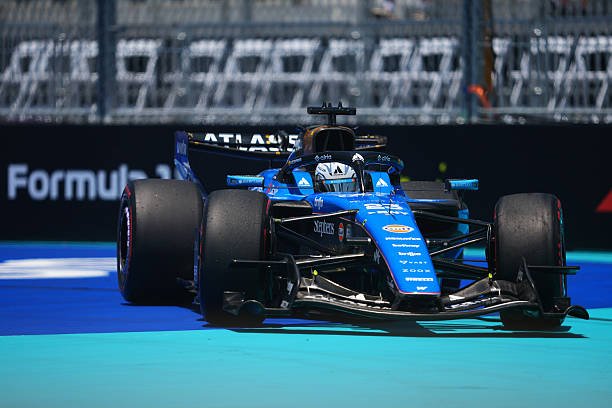
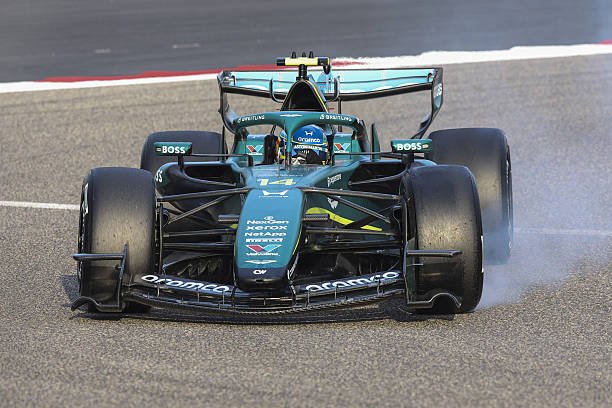
One of the most noticeable and unexpected issues with the new 2026 Formula 1 cars is the high number of front wheel lock-ups under braking. This problem was already seen during pre-season testing in Bahrain, but it became even more visible during the first practice session of the Miami Grand Prix.
Several drivers struggled to complete clean qualifying simulations because of sudden lock-ups, especially into Turn 1. Among the examples were Nico Hülkenberg, Oscar Piastri, and Oliver Bearman, all of whom lost laps after locking their front tires under heavy braking.
After the six days of pre-season testing in Bahrain, one thing that did not go unnoticed was the unusually high number of sudden front tire lock-ups, mainly at Turns 1 and 10. Many people talked about drivers adapting to the new 2026 cars, which is true, but the reasons behind these lock-ups go beyond simple adaptation and have a clear technical explanation.
First, it is important to understand how these cars work. The 2026 cars are powered 50% by a combustion engine and 50% by an electric motor, producing around 350 kW of electrical power, nearly three times more than the previous generation, which produced only 120 kW.
To recharge these batteries, drivers need to lift off the throttle earlier before corners, allowing the electric motor to help slow down the car and recover energy. Because of this, the traditional braking system is used less than before.
Mario Almondo, director at Brembo, the brake supplier for Formula 1, explained in an interview that while the carbon material used in the brakes is of excellent quality, it loses predictability when it is cold. Carbon brakes require very high temperatures to generate proper friction.
Since drivers are using the brakes less, the rear brakes are producing around 20% less friction and are reaching corners at much lower temperatures than ideal. This shifts more braking load to the front of the car, creating an imbalance and making front lock-ups much more likely, as frequently seen on track.
Brembo’s analysis also showed that drivers have had to completely change their driving style. They now need to be much more aggressive with downshifting, taking corners in lower gears than before, for example, corners that were previously taken in third gear are now sometimes taken in first gear. This helps with energy recovery and compensates for the lack of temperature in the rear brakes.
According to the manufacturer, teams have followed two different approaches when designing their brake systems. Some have built smaller rear brakes, since smaller components heat up faster and help counter the low temperatures. Others have taken a more conservative route, using larger components to avoid overheating, but are now facing the opposite issue of brakes being too cold.
Brembo’s recommendation is that teams should avoid making immediate changes to their brake systems and wait until around the fifth race of the season. By then, teams are expected to better understand the cars and extract more performance, which will naturally increase speeds and brake temperatures. Making design changes too early could harm performance over the course of the championship.
Right now, teams are working against time to understand and fine-tune these new systems. The real “gold mine” for engineers is finding the perfect balance between electric braking and mechanical braking to extract the maximum performance from these new-generation cars.

Share this content: