LEWIS HAMILTON RAISES CONCERNS OVER COSTS IN MOTORSPORT AND CALLS FOR CHANGE
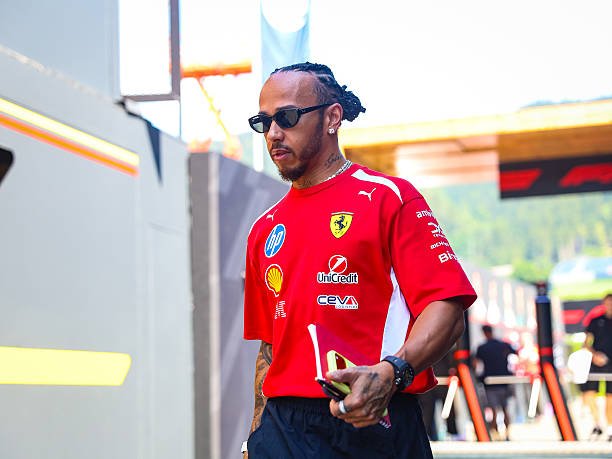
Seven-time Formula 1 world champion Lewis Hamilton has spoken out strongly about the rising costs in motorsport, warning that the current system is making it increasingly difficult for drivers from ordinary backgrounds to reach the highest level of racing.
Hamilton argued that the financial demands of junior racing categories have grown so high that talent alone is no longer enough to guarantee progression. According to him, the modern motorsport ladder has become heavily influenced by money, with drivers who come from wealthier families having a significantly greater chance of advancing through the ranks.
He stated that it is now extremely unlikely, if not impossible, for someone from a typical family background to compete with drivers whose families are spending extremely large sums to support their careers. In his view, this situation is unfair and should not be accepted as the norm in professional racing.
As drivers move up through karting and into single-seater categories such as Formula 4, Formula 3 and Formula 2, the financial pressure increases dramatically. Budget requirements often reach hundreds of thousands or even millions of euros per season, creating a major barrier for many young talents who do not have strong financial backing.
Hamilton stressed that this trend risks changing the long-term identity of motorsport. Instead of the most talented drivers rising to the top, he believes the sport is increasingly rewarding those who can afford the cost of competition. He warned that without intervention, this pattern could continue for decades.
He also called on governing bodies, including the FIA and Formula 1 itself, to take responsibility and implement changes that would make the sport more accessible. In his view, structured reforms are needed to ensure that financial background does not outweigh raw talent in determining who reaches the top level.
Max Verstappen and Esteban Ocon have previously spoken about the difficulties of competing in expensive junior categories, particularly in earlier stages of their careers when financial pressure is at its highest.
The issue has also become more visible in Formula 1’s support series, where many promising drivers are forced to secure sponsorships or financial backing simply to remain in competition. While some junior programs backed by manufacturers and F1 teams help reduce this burden for selected talents, access to such opportunities remains limited.

Share this content: