ASTON MARTIN MAJOR 16-PART UPGRADE PACKAGE FOR THE HUNGARORING
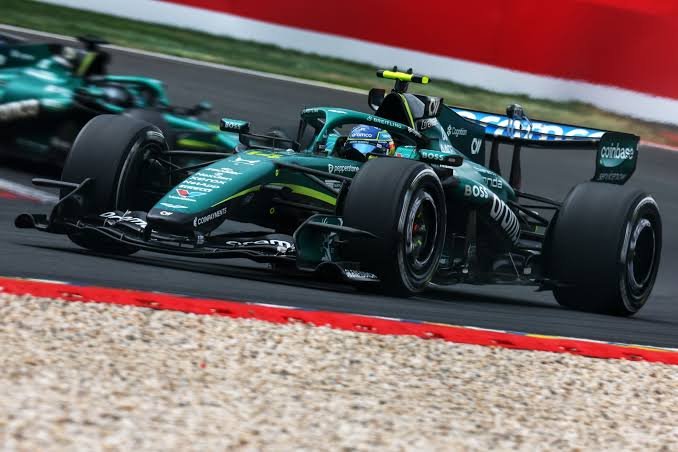
Aston Martin has introduced one of the biggest upgrade packages of the 2026 Formula 1 season for this weekend’s Hungarian Grand Prix. The Silverstone-based team has brought changes across almost every area of the AMR26, with updates to the front wing, floor, bodywork, suspension, brake ducts and rear wing. The package is designed to improve overall aerodynamic efficiency and increase downforce while maintaining a good balance between slow and medium-speed corners, which are a key feature of the Hungaroring.
The most visible changes arrive at the front of the car. Aston Martin has redesigned the front wing with a revised front view and planform, redistributing the chord across the wing elements. The endplates have also been updated with a new body, diveplane and foot, while the nose has been made longer and thinner. All three components were developed together to improve the airflow over the front of the car and generate more front-end load.
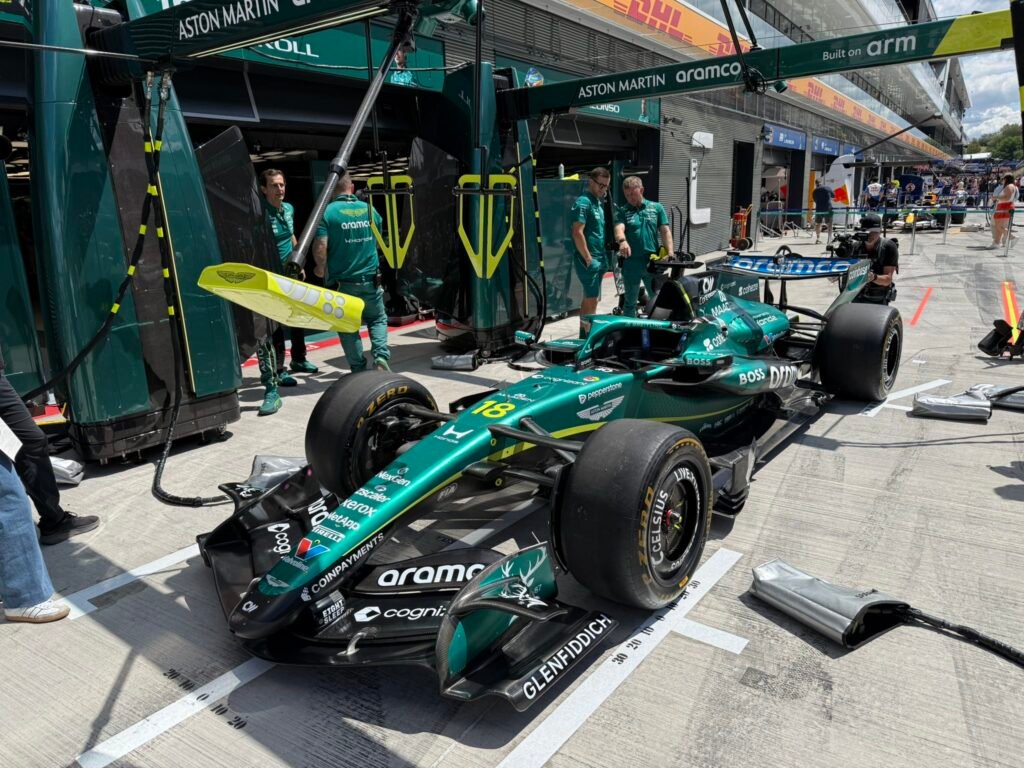
The front brake ducts have also been revised with a new lip and a longer rear deflector. These changes help control the airflow around the front wheels, reducing turbulence and working together with the new front wing to improve aerodynamic performance.
The biggest part of the package focuses on the floor, which remains the most important source of downforce under Formula 1’s ground-effect regulations. Aston Martin has modified every permitted surface of the floor body, introduced new leading-edge fences and redesigned the floor edge, including the footplate and the area ahead of the rear tyres. These developments are intended to increase the floor’s ability to generate downforce while keeping the airflow attached underneath the car.
At the rear, the diffuser has also been redesigned with changes to its main body, fences and winglet. The updated diffuser works together with the revised floor geometry to extract more performance from the airflow leaving the underside of the car, increasing rear downforce and improving aerodynamic efficiency.
The sidepods and engine cover have received smaller but important updates. The sidepod inlet has been reshaped to match the new bodywork package, while the engine cover features subtle changes aimed at improving the airflow towards the rear of the car. These modifications support the new floor and diffuser package by feeding cleaner air into the rear aerodynamic surfaces.
Aston Martin has also introduced new cooling louvres. Although conceptually similar to the previous version, they provide different cooling options, allowing the team to optimise engine and component temperatures depending on the weather conditions and circuit demands without sacrificing unnecessary aerodynamic performance.
Mechanical changes have also been made at the rear of the car. The rear suspension features small adjustments to the position of its legs and external fairings, while the rear brake ducts have updated inlet, outlet and vane designs. These parts were developed alongside the new rear floor geometry to improve airflow management around the rear wheels.
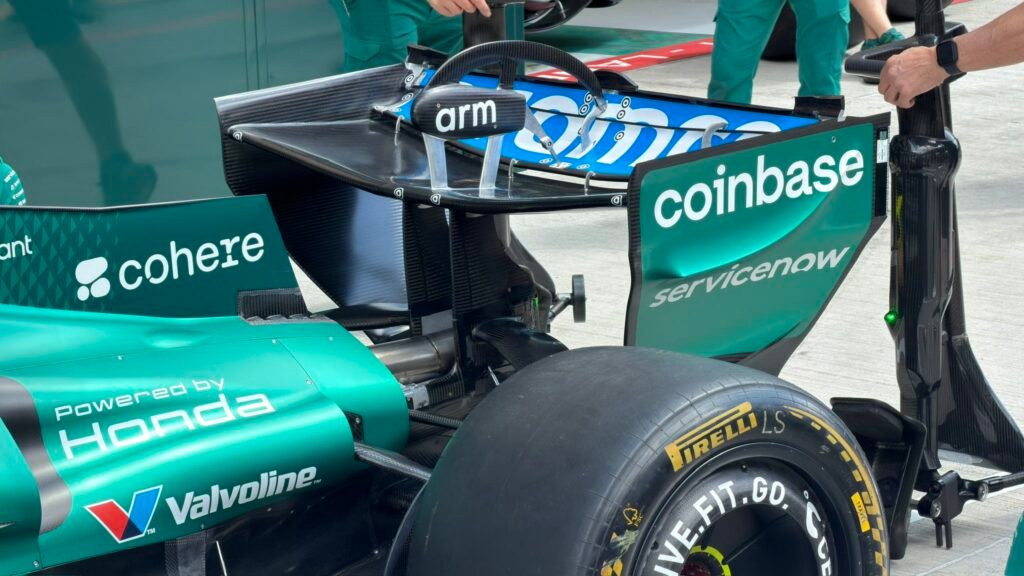
The rear wing package has been heavily revised as well. Engineers redistributed the chord between the three wing elements, added winglets to the trailing edge of the flap, changed the twist distribution of the beam wing support and redesigned every surface of the rear wing endplates. Together, these updates are intended to increase downforce while reducing drag, helping the car achieve better straight-line efficiency without compromising cornering performance.
The Hungaroring is one of the most demanding circuits on the calendar for aerodynamic performance, with its slow-speed layout rewarding cars that can produce high levels of downforce and stable balance through long sequences of corners. Aston Martin will hope this extensive upgrade package allows the team to close the gap to the front-running midfield competitors and continue improving its performance during the second half of the 2026 Formula 1 season.

Share this content: