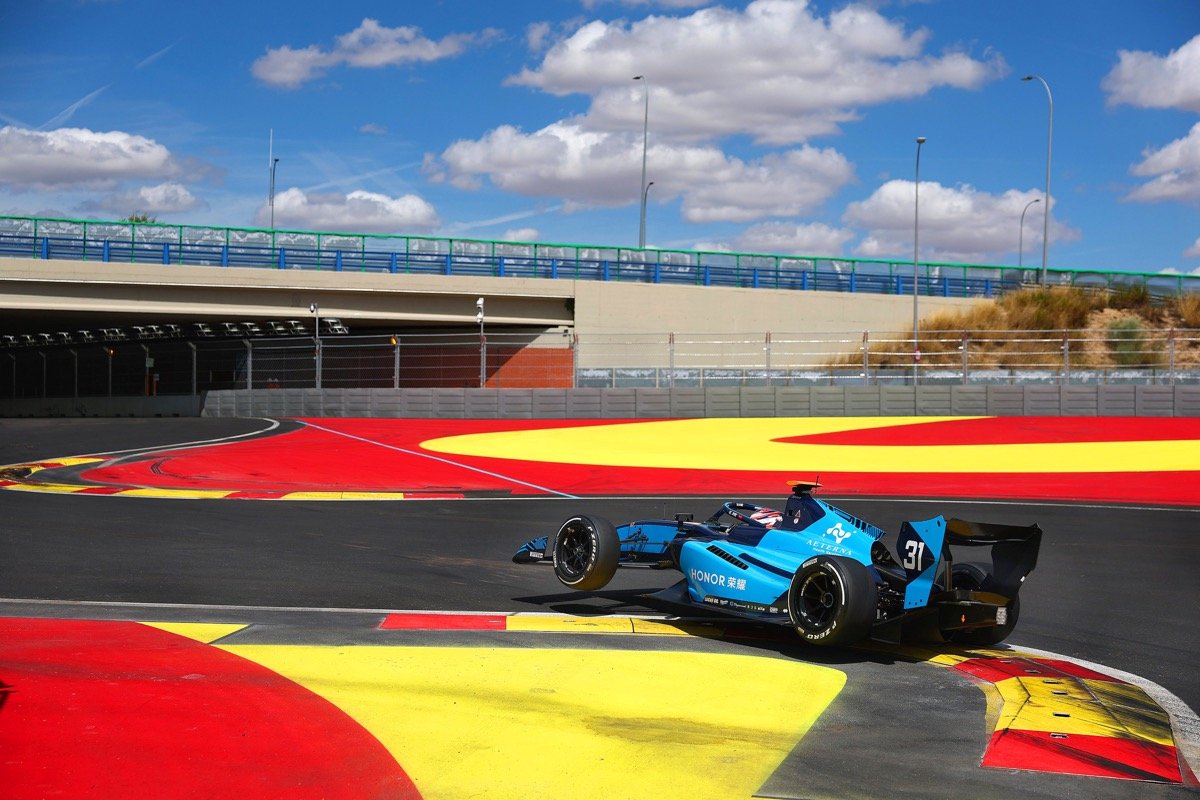
HAMILTON HAS NOT USED BREMBO BRAKES SINCE SUZUKA
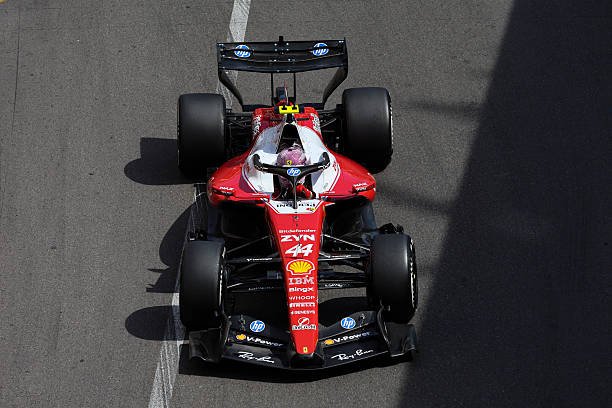
Reports circulating in Italian media have suggested a change in Ferrari’s brakes supplier for Lewis Hamilton.
According to claims attributed to AutoRacer.it, Hamilton used a Carbon Industrie brake package on his Ferrari car during the 2025–2026 development cycle. The reports say this could have started as early as a race weekend in Suzuka, with the driver pushing for a braking system closer to what he used during his years at Mercedes, where he often preferred a very specific brake feel for confidence under heavy braking.
Ferrari has a long and well-established technical relationship with Brembo, which has supplied the team for both Formula 1 and road car programs for decades. Because of this, any potential switch or even partial introduction of an alternative supplier like Carbon Industrie would represent a significant technical and commercial shift, especially in a component as sensitive as braking systems.
Brakes in Formula 1 are not just simple parts that can be swapped easily. They are deeply integrated into the car’s design, including cooling systems, suspension setup, and driver feedback preferences. Even small changes in brake materials or suppliers can affect how a driver feels the car at corner entry, especially in high-pressure braking zones where confidence is critical.
The reports also suggest that Charles Leclerc could test a similar braking configuration during the Barcelona period, although this has not been confirmed by Ferrari. If true, it would indicate that the team is exploring multiple setups to improve consistency between both drivers and maximize performance across different driving styles.
Some interpretations online have linked this situation to a strong reaction from Brembo following comments made after Leclerc’s crash in Monaco. However, there is no verified evidence that this incident directly was influenced by any technical issue.
It is also important to note that Ferrari has not made any public announcement about changing its brake supplier for future cars. In most cases, major changes like this are developed over long periods of testing and require extensive validation, especially in a high-performance environment like Formula 1.

Share this content: