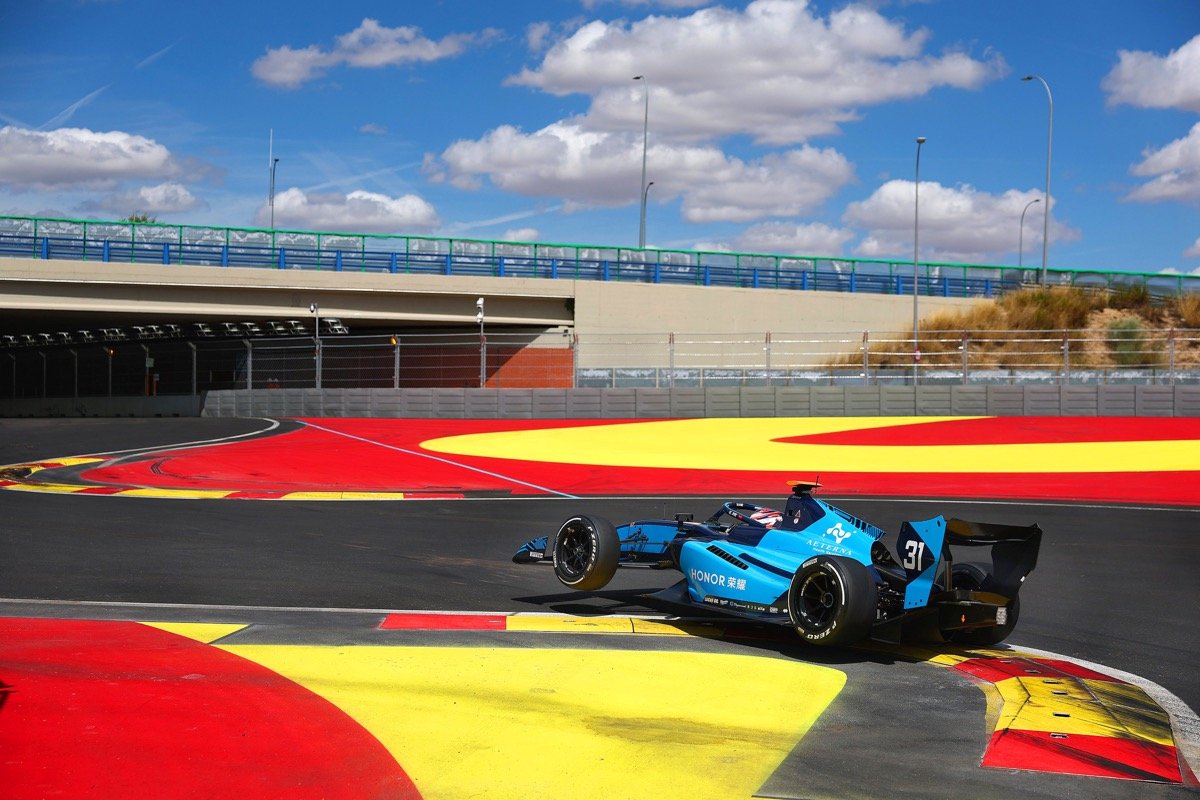
FERRARI SET TO REQUEST ABOLITION OF ADUO SYSTEM
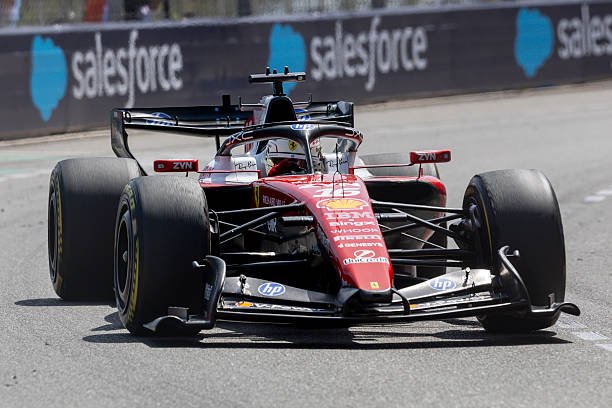
Ferrari is reportedly set to call for Formula 1’s new ADUO system to be either abolished or significantly modified after the FIA published the first performance assessments of the 2026 power unit manufacturers, reports The Race.
When the ADUO regulations were introduced, most teams expected Mercedes to set the benchmark for engine performance under Formula 1’s new generation of power units. However, the FIA’s analysis produced a surprising result.
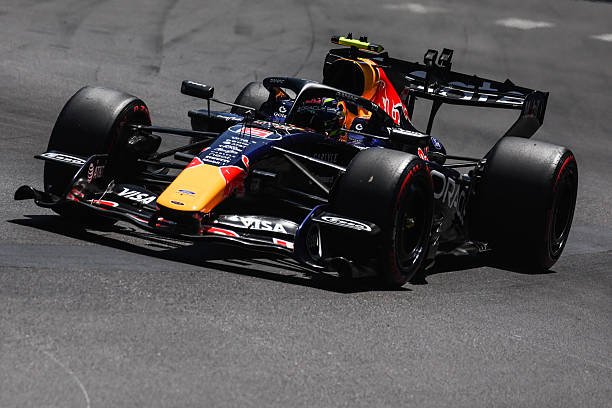
According to the governing body’s data, Red Bull Powertrains currently has the strongest Internal Combustion Engine (ICE) on the grid, ahead of Mercedes, Ferrari, Audi, and Honda.
The controversy comes from the way the ADUO system works. ADUO, which stands for Additional Development and Upgrade Opportunities, was created to prevent a repeat of previous engine eras where one manufacturer could dominate for years while rivals struggled to catch up.
The system allows manufacturers that are behind the leading engine to receive extra development opportunities and, in some cases, additional financial flexibility. The goal is to keep the competition closer throughout the regulation cycle.
The problem, according to Ferrari and several observers in the paddock, is that the FIA measures only the performance of the Internal Combustion Engine rather than the entire power unit. Modern Formula 1 power units are made up of much more than just the combustion engine.
The hybrid system, battery performance, energy recovery, deployment strategies, and software all play a major role in overall performance. Under the current ADUO rules, these elements are not included in the main performance index used to determine which manufacturers receive assistance.
As a result, Mercedes has been classified as more than two percent behind Red Bull’s ICE despite being widely regarded as one of the strongest overall power unit packages on the grid. Ferrari, Audi, and Honda are considered even further behind and therefore qualify for greater development opportunities.
Ferrari’s concern is that the system may not accurately reflect real-world competitiveness. If a manufacturer gains a significant advantage through hybrid efficiency, battery technology, or energy deployment, that advantage is not fully considered by the ADUO calculations. Critics argue that this could create situations where manufacturers receive development concessions even though their complete power unit package is already highly competitive.
The controversy becomes even more significant when looking at the actual results on track. Mercedes has won all six races of the season so far, establishing itself as the clear benchmark of the championship. While Red Bull Powertrains currently leads the FIA’s ICE performance assessment, Mercedes remains the team everyone is chasing in terms of overall competitiveness.
This has strengthened the argument from Ferrari and others that evaluating only the combustion engine does not accurately reflect the true competitive order, as the complete power unit package and its integration with the car ultimately determine race-winning performance. The debate is likely to continue throughout the season.

Share this content: