HRC’S ORIHARA SEES ZANDVOORT AS CRUCIAL TEST FOR ASTON MARTIN WITH UPDATED POWER UNIT
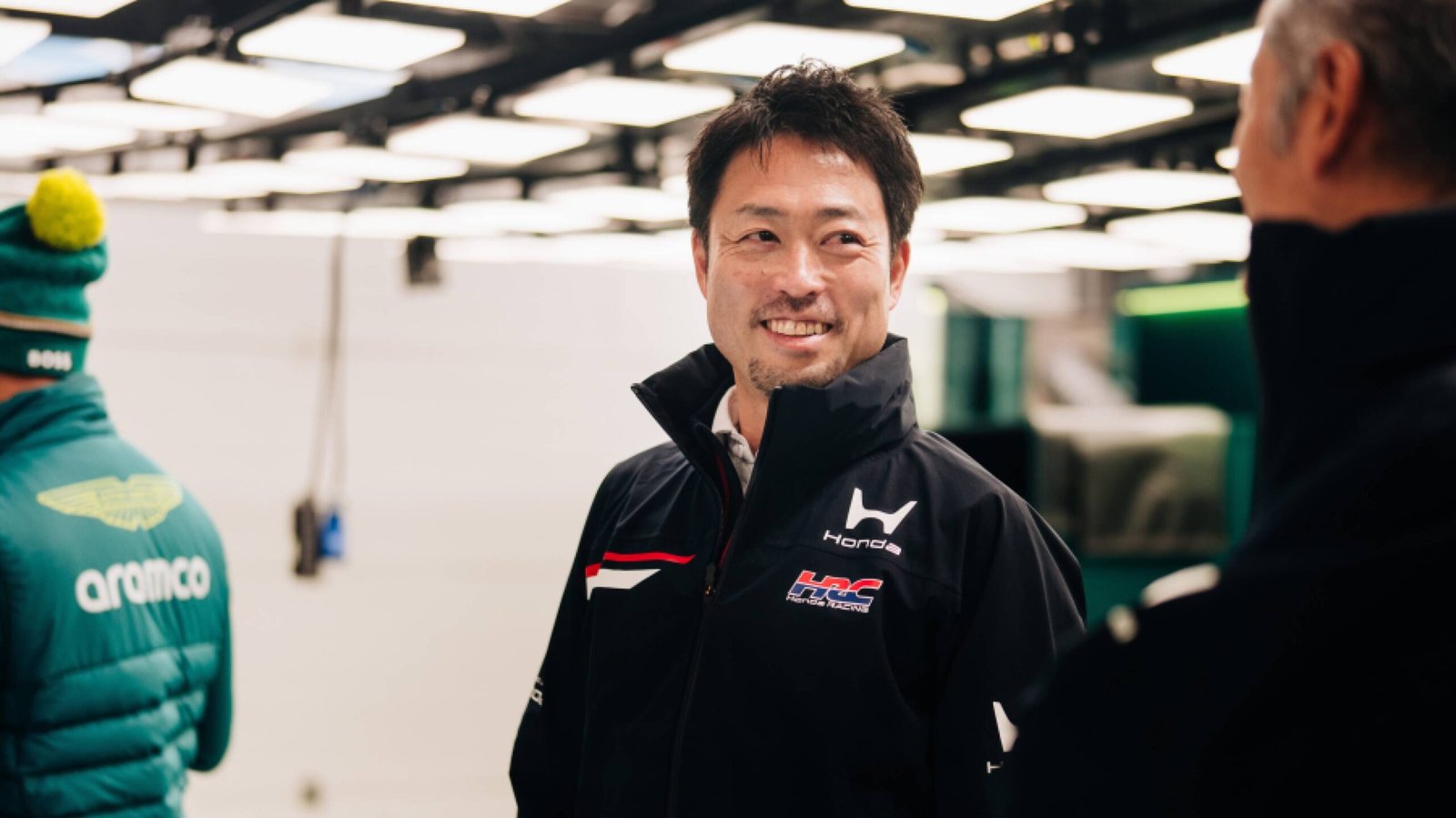
The Formula 1 Dutch Grand Prix is just around the corner, and with it comes the new power unit from Honda, the engine supplier for the Aston Martin team. The team, where Fernando Alonso and Lance Stroll drive, faces a major challenge at Zandvoort. This was confirmed by Shintaro Orihara, HRC F1’s chief engineer, in statements to Honda Racing F1’s Instagram page.
“The Dutch Grand Prix is an important milestone for Honda as this is where we introduce our new spec power unit”, stated the Japanese engineer. “This is the result of an intense period of hard work at HRC Sakura together with HRC UK and the Aston Martin Aramco Formula One Team”.
Honda’s new power unit is the first engine update of the 2026 season for Aston Martin. The update is focused entirely on the internal combustion engine, which Honda has identified as its biggest performance weakness compared with the other manufacturers. Orihara has said that improving the combustion engine is now the main priority, as gains in areas such as energy management would have limited value without better engine performance.
Honda is also aware that the update will not solve the whole performance gap immediately. Further development will be needed later in the season, while the most optimistic estimates around the new specification have suggested a possible gain of up to around 30 horsepower.
Orihara is, however, optimistic but cautious. He points out that this Grand Prix is being run in a ‘sprint format’, which will make achieving this milestone more difficult. “Zandvoort is a Sprint weekend, which means we only have a single free practice session”, he emphasized. “This will bring an additional challenge to complete the evaluation of our new package in that limited running, but it’s a test we’re looking forward to”.
The new engine has already completed its first on-track running. Honda tested the updated power unit during an Aston Martin filming day at the Hungaroring on July 29, before the summer shutdown. This gave Honda and Aston Martin some initial data on the new engine before its race debut at Zandvoort.
Honda does not, however, expect to start from zero with drivability. The manufacturer has spent the first part of the season developing tools and methods to improve this area, and Orihara says those lessons can be carried over to the new specification.
“In Hungary, we saw a step forward with the new chassis. With the new specification power unit now introduced, we look forward to building on that progress together with the team over the remainder of the season”.
The round in Budapest saw a clear improvement in the machinery’s capacities. Aston Martin introduced a major package containing 16 developments, including changes to the chassis and aerodynamics, as well as weight reduction. Fernando Alonso reached Q2 for the first time in 2026, while the two cars finished the race in P13 and P14.
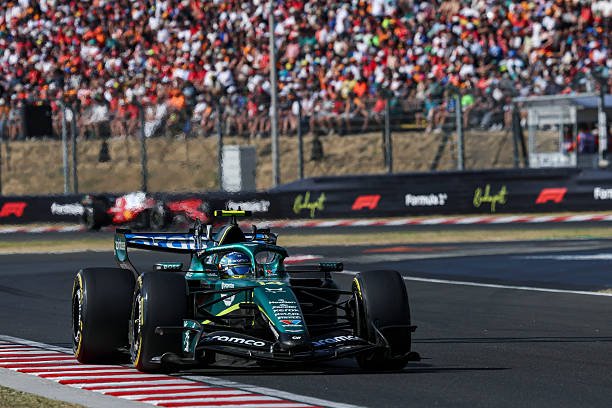
The improvement was also visible in the performance data. According to Paceteq figures reported by Autosport, Aston Martin’s race-pace deficit was around 2.034 seconds per lap in Hungary, compared with more than five seconds per lap at Silverstone and Spa. However, the difference is partly explained by the characteristics and length of those circuits, with the Hungaroring placing less demand on the power unit.
Honda’s target for Zandvoort is therefore not simply to gain power, but to bring Aston Martin back into the midfield fight. Orihara said the goal is to reach a point where the small gains teams normally fight for each weekend can once again make a difference on track.
The timing of the update is also important for Aston Martin’s wider development plan. The team chose to introduce its major chassis package in Hungary and Honda’s engine update at the first race after the summer break, allowing the two parts of the car to be developed and evaluated separately before being combined at Zandvoort.
There are also more Aston Martin upgrades planned for Zandvoort, meaning the team will not rely only on the Honda power unit. Mike Krack said the team would use the data from Hungary to understand what could still be unlocked from the revised AMR26 at the next race.
The round at Zandvoort takes place from August 21 to 23. After a difficult first half of the season and a clear step forward in Hungary, Aston Martin-Honda now has to show whether the new power unit can help turn that improvement into regular midfield performance.

Share this content: