FORMULA 1 COULD RETURN TO V8 ENGINES BY 2030 AS FIA PUSHES FOR SIMPLER CARS
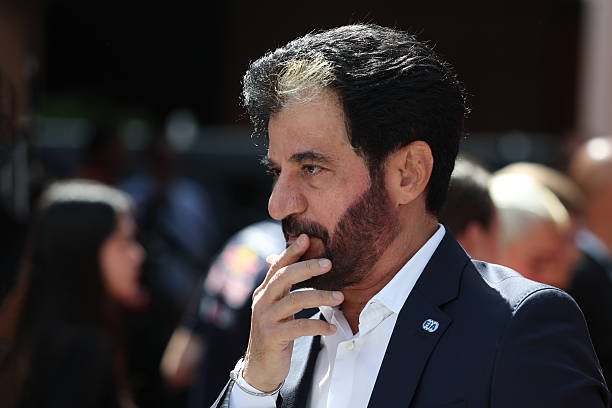
Formula 1 could be preparing for one of the biggest technical changes in modern motorsport history, with FIA President Mohammed Ben Sulayem confirming that a return to V8 engines has effectively already been decided for the future of the championship.
Speaking to French publication AutoHebdo during the 24 Hours of Le Mans weekend, Ben Sulayem stated that “the V8 is a done deal” and revealed that the FIA is pushing to introduce the new engines as early as 2030, one year earlier than the currently expected 2031 target.
The proposal would represent a major change in direction for Formula 1. The current generation of power units introduced in 2026 relies heavily on electrical power, with roughly half of the car’s performance coming from the hybrid system and battery deployment. The new vision for the future would reverse that philosophy completely.
According to Ben Sulayem, the future Formula 1 engine would be based around a naturally aspirated V8 using sustainable fuels, with only a small hybrid component making up around 10% of the total power output. The remaining 90% would come from the internal combustion engine itself, bringing Formula 1 much closer to the philosophy that defined some of the sport’s most popular eras.
The FIA president explained that the target would be around 760 horsepower from the combustion engine alone, with the electrical system adding a further boost to bring total output close to 880 horsepower. Unlike the current engines, the proposed V8 package would reportedly abandon turbochargers entirely in order to reduce complexity, weight and costs.
One of the biggest goals behind the project is reducing car weight. Modern Formula 1 cars are the heaviest in the history of the sport, with current machines approaching 800 kilograms once fuel is included. Ben Sulayem believes the future of Formula 1 should involve a return to significantly lighter cars weighing between 630 and 650 kilograms.
Lighter cars would improve agility, braking performance and racing quality while also reducing tyre wear and energy consumption. Many drivers have spoken publicly in recent years about their frustration with the increasing size and weight of modern Formula 1 car, with several saying current cars feel closer to endurance prototypes than traditional Formula 1 cars.
The sound of the engines is another major factor behind the proposal. The naturally aspirated V8 era between 2006 and 2013 remains one of the most popular periods among fans because of the distinctive engine noise that became one of Formula 1’s defining characteristics. The final victory of the V8 era came at the 2013 Brazilian Grand Prix, won by Sebastian Vettel driving for Red Bull-Renault.
Cost reduction is also a key objective. According to the FIA, current Formula 1 power units have become extremely expensive to develop, with manufacturers investing hundreds of millions of euros into hybrid technology development. Ben Sulayem claims that a simpler V8 formula could cut engine costs by more than half, reducing prices from around €1.5 million per engine package to approximately €700,000.
The biggest obstacle remains timing. Current engine regulations are expected to remain in place until at least 2030, meaning introducing the V8 formula one year earlier would likely require agreement from manufacturers and Formula 1 itself. If an agreement cannot be reached, the FIA could simply wait until 2031 when the next engine cycle begins.

Share this content: