MERCEDES AND MCLAREN BRING MAJOR AERODYNAMIC PACKAGES TO THE CANADIAN GRAND PRIX
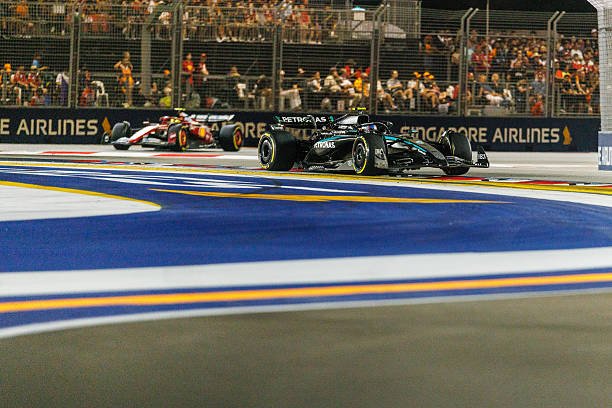
At the upcoming Canadian Grand Prix, the direction taken by both Mercedes and McLaren shows two very different upgrade philosophies, even though both aim at the same target: more efficient airflow, stronger downforce, and better overall balance across the car.
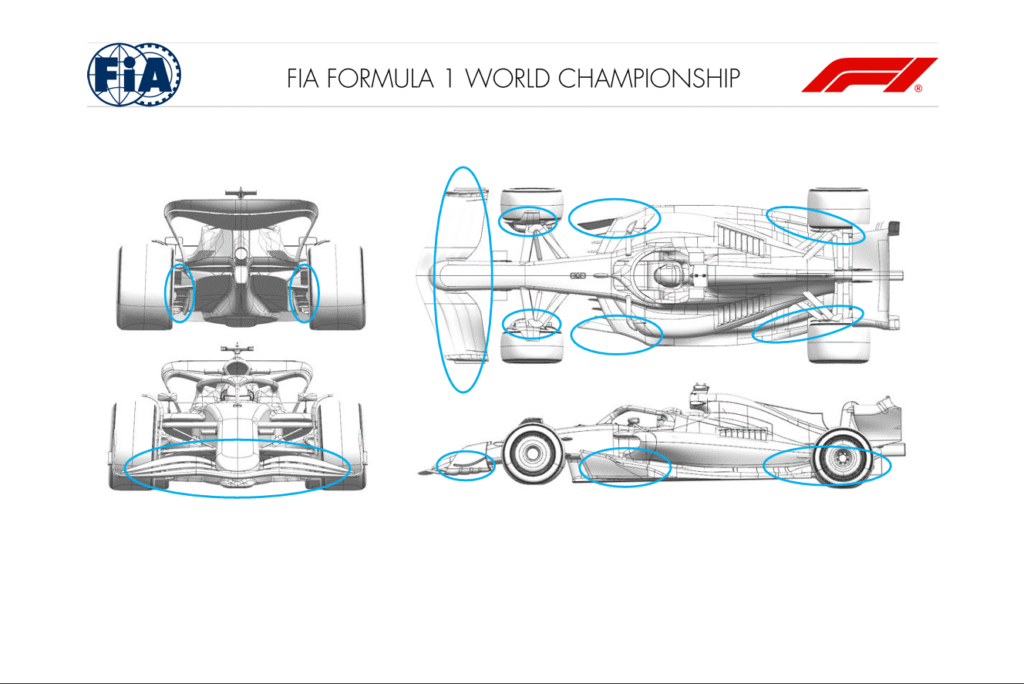
For Mercedes, the new package looks like a full car rework rather than small adjustments. The front wing has been redesigned with lower outboard elements and new strakes, which help stabilize airflow and improve how cleanly air travels toward the rear of the car.
The endplate and footplate changes support this by managing airflow around the front tyres more effectively. At the front corner, reduced camber on key elements improves stability across a wider operating range, which is important in changing track conditions.
Cooling has also been a major focus for Montreal. The enlarged inlet and exit ducts increase airflow to the brakes, improving temperature control during heavy braking zones. This is especially important at a circuit like Canada, where braking events are frequent and intense.
In the floor area, Mercedes has reprofiled key surfaces to reduce airflow separation and increase local load, while additional slots in the floor corner help guide air more efficiently toward the diffuser. The diffuser itself has also been reshaped to improve airflow quality and overall downforce generation. At the rear, winglet adjustments improve how the car manages airflow leaving the diffuser, helping balance stability and performance.
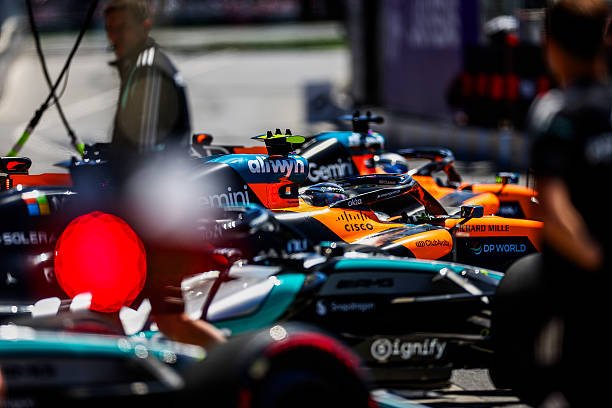
McLaren does not stop its development
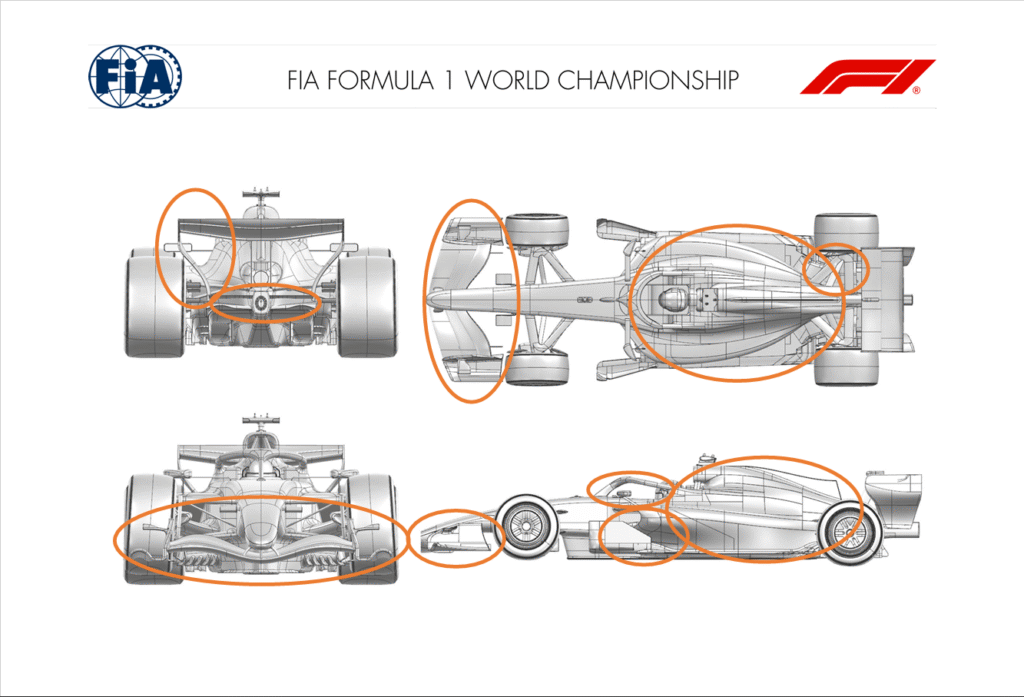
McLaren, meanwhile, has taken a slightly different but equally aggressive approach. The new front wing is designed to improve flow conditioning across the full range of speeds, ensuring more consistent downforce delivery.
Changes to the engine cover and bodywork introduce new cooling exits, which not only help thermal management but also clean up airflow toward the rear of the car. This improves overall aerodynamic efficiency.
Further updates include a halo winglet, which is a small but important addition aimed at managing airflow around the cockpit area and feeding cleaner air downstream. At the rear, the revised wing endplate redistributes load more effectively, while updates to the rear suspension fairings help reduce turbulence in a critical area around the diffuser. The floor edge has also been refined, improving how air is sealed under the car and increasing downforce from the floor system.
The difference between the two teams is not just in parts, but in philosophy. Mercedes appears to be focusing on structural airflow stability and strong gains in diffuser performance, while McLaren is continuing its trend of adding multiple small aerodynamic refinements that work together as a system. Both approaches aim to unlock lap time, but they do it in different ways.

Share this content: